Products against frizzy hair
Products against frizzy hair
Frizzy hair can take your hairstyle from stylish to messy in seconds. Luckily, there are ways to tame dry, frizzy hair and leave your locks smooth and shiny.
What causes frizzy hair?
Frizzy hair occurs when the hair cuticle is open, allowing moisture from the air to penetrate the hair. This causes your hair to expand and stick out in all directions. Common causes include:
Dry and Damaged Hair: From heat from a blow dryer, curling iron, or flat iron, or from chemical processes like bleaching.
High Humidity: Humidity in the air is one of the main causes of frizzy hair. When humidity is high, for example on rainy days or in the summer, your hair attracts moisture from the air. Especially when the hair cuticles are open due to dryness or damage, this moisture can easily penetrate.
Curly or wavy hair – This hair type is naturally drier and therefore more prone to frizz.
Wrong hair products – Products that are not suitable for your hair type can actually make the problem worse. For example: light hair care for fine hair may not provide enough nourishment for thick, curly hair. So it is important to choose products that are tailored to your hair type and needs.
Not sure which products are suitable for your hair? Then ask for advice from a Keune hairdresser near you.
What can you do about frizzy hair?
The key to less frizzy hair is hydrating, protecting, and following the right routine. This will help keep your hair cuticles closed and prevent moisture in the air from ruining your style. Some tips from our anti-frizz experts include:
Use a nourishing shampoo and conditioner
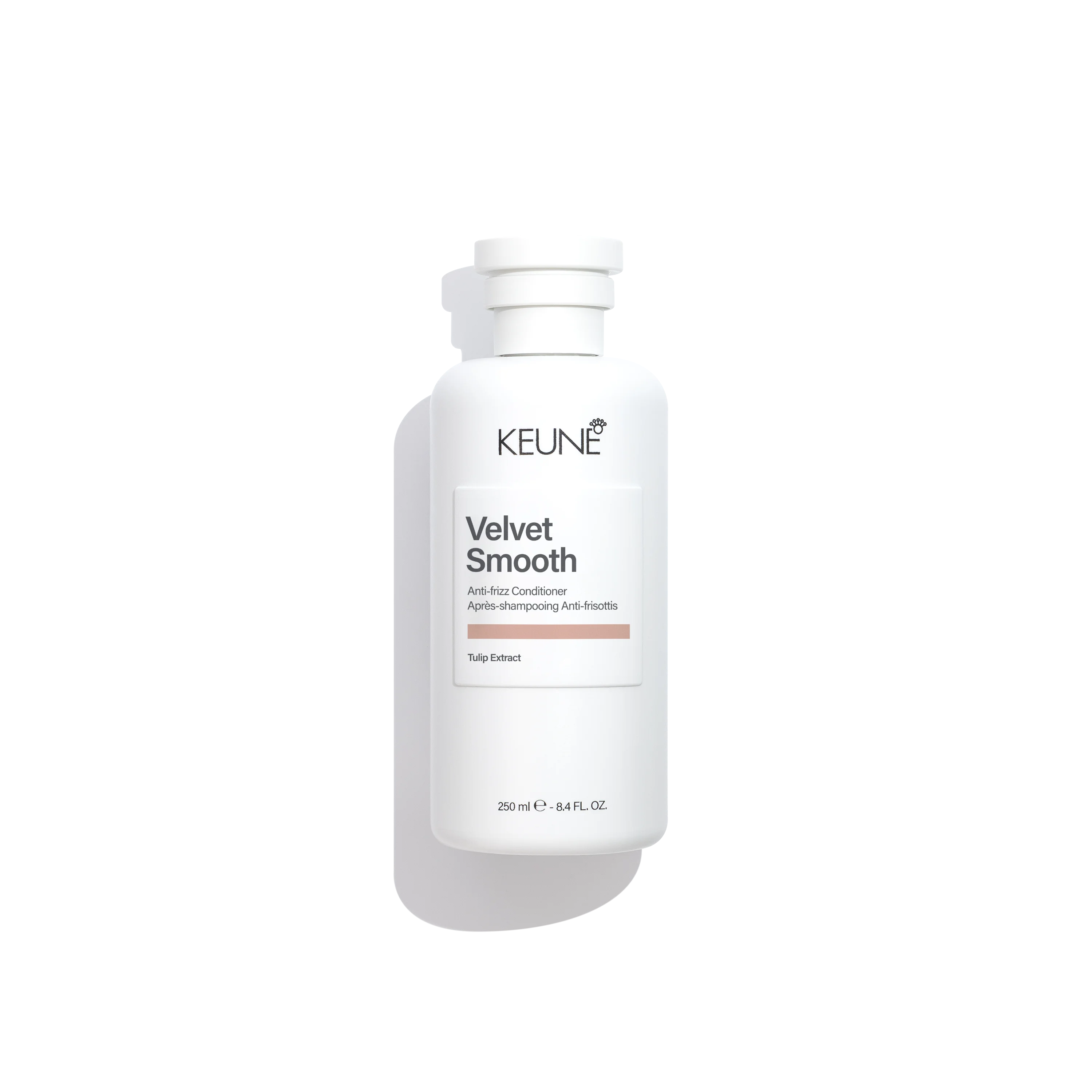
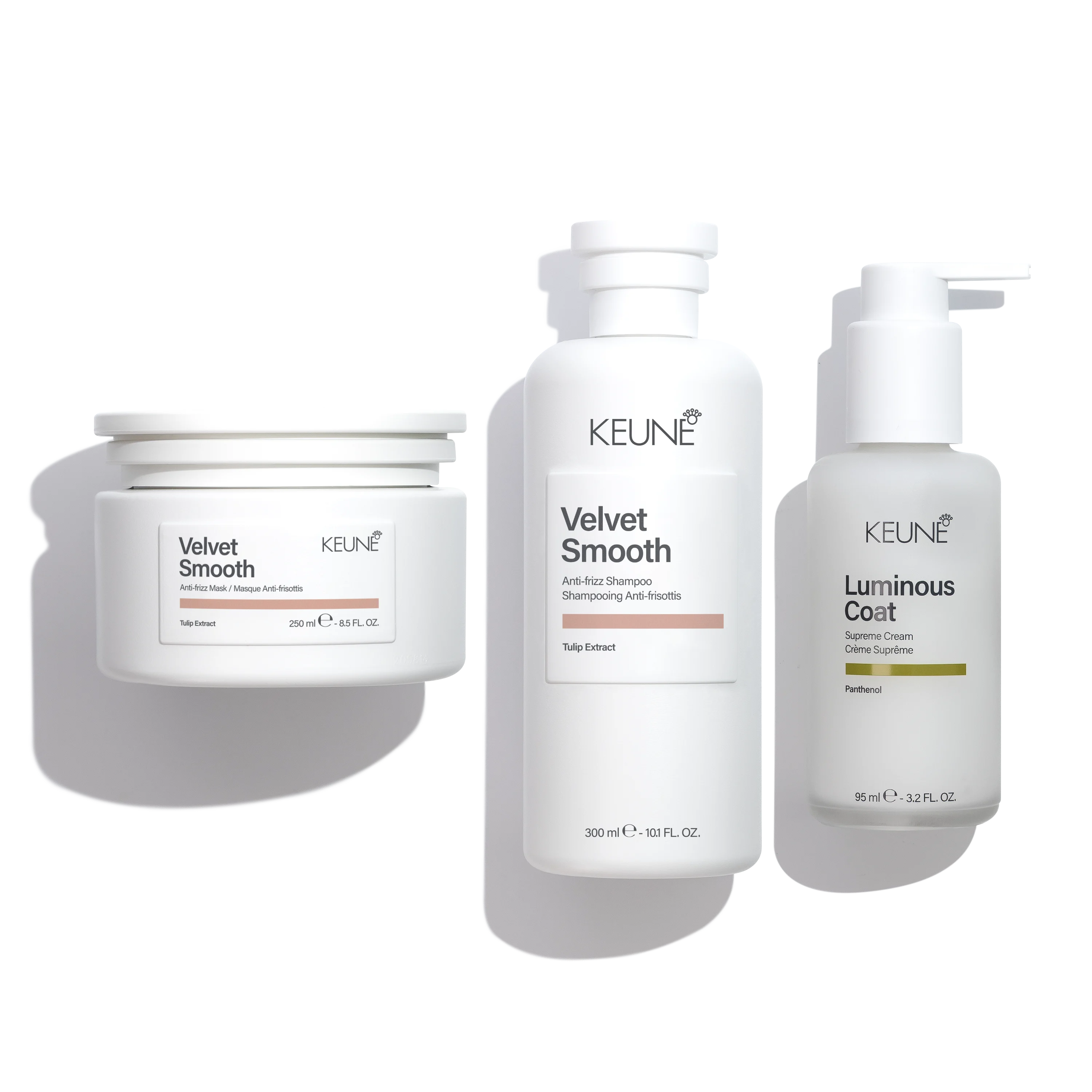
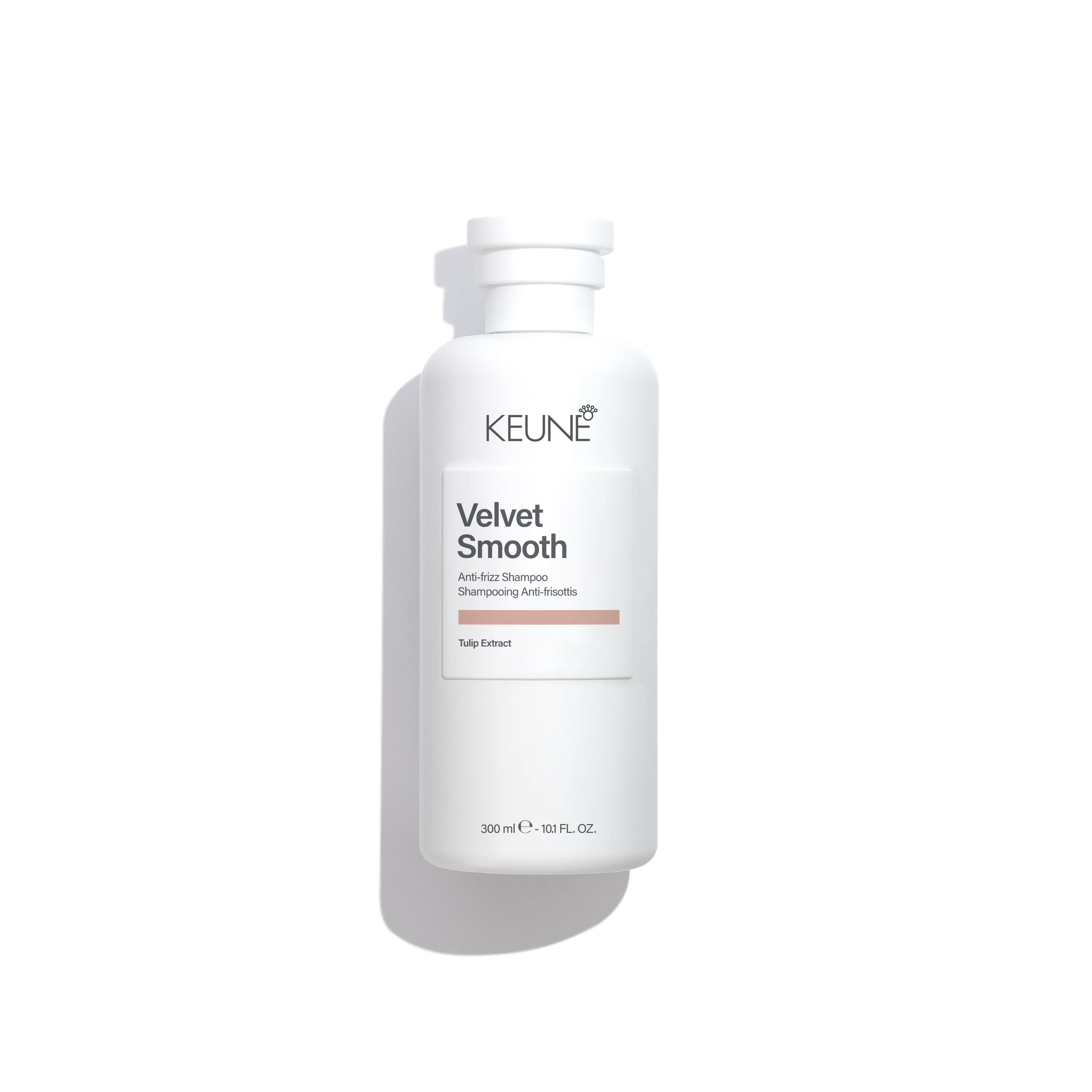
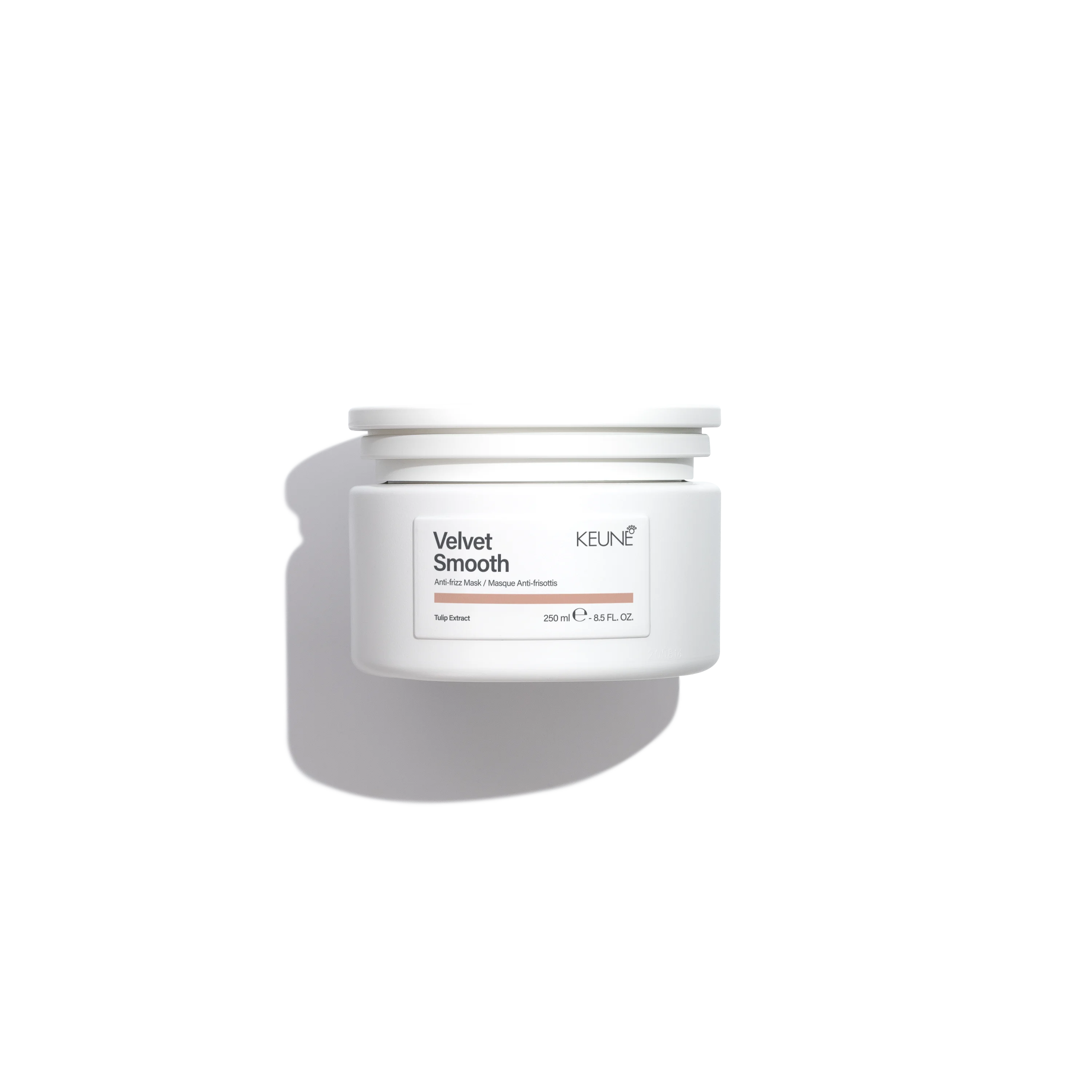
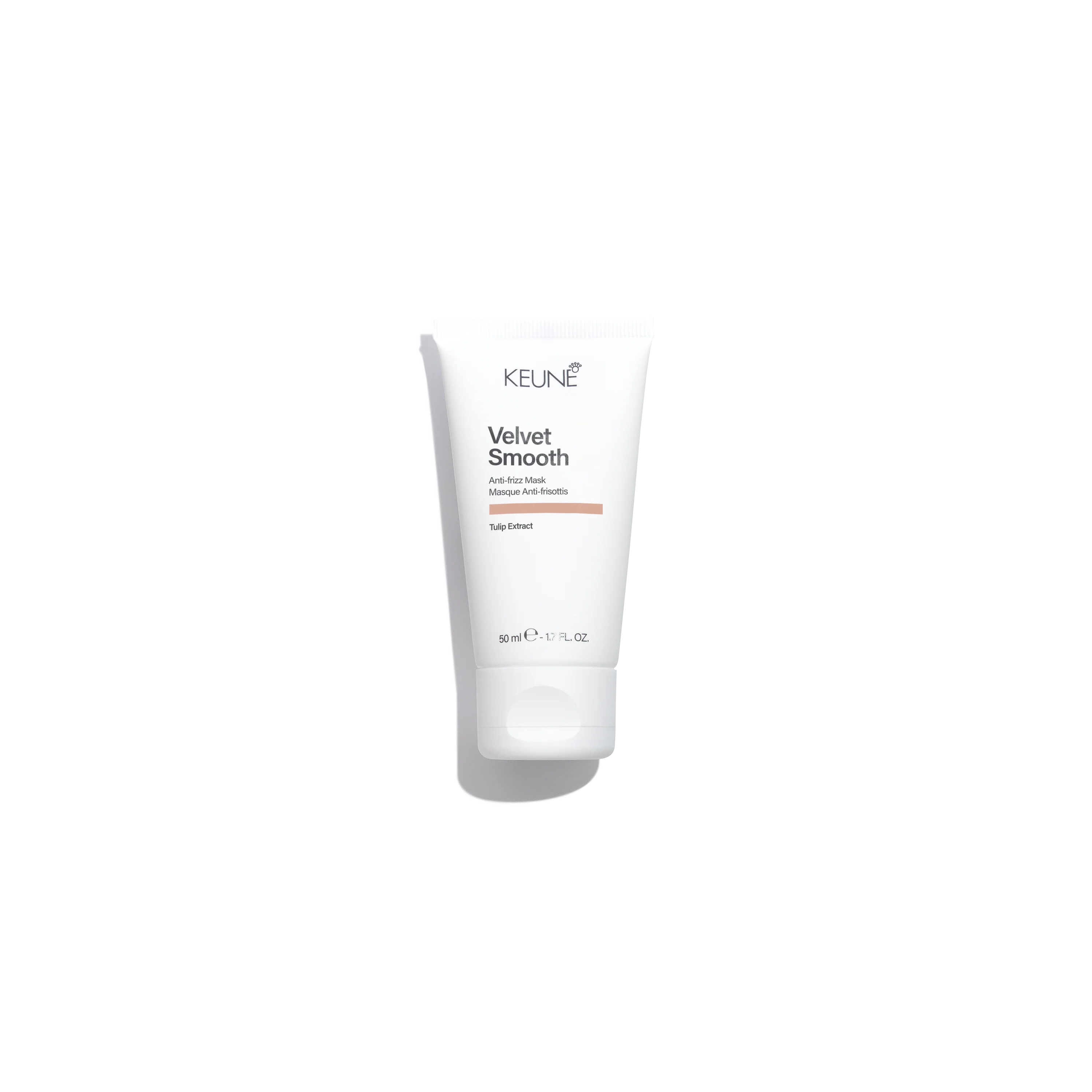
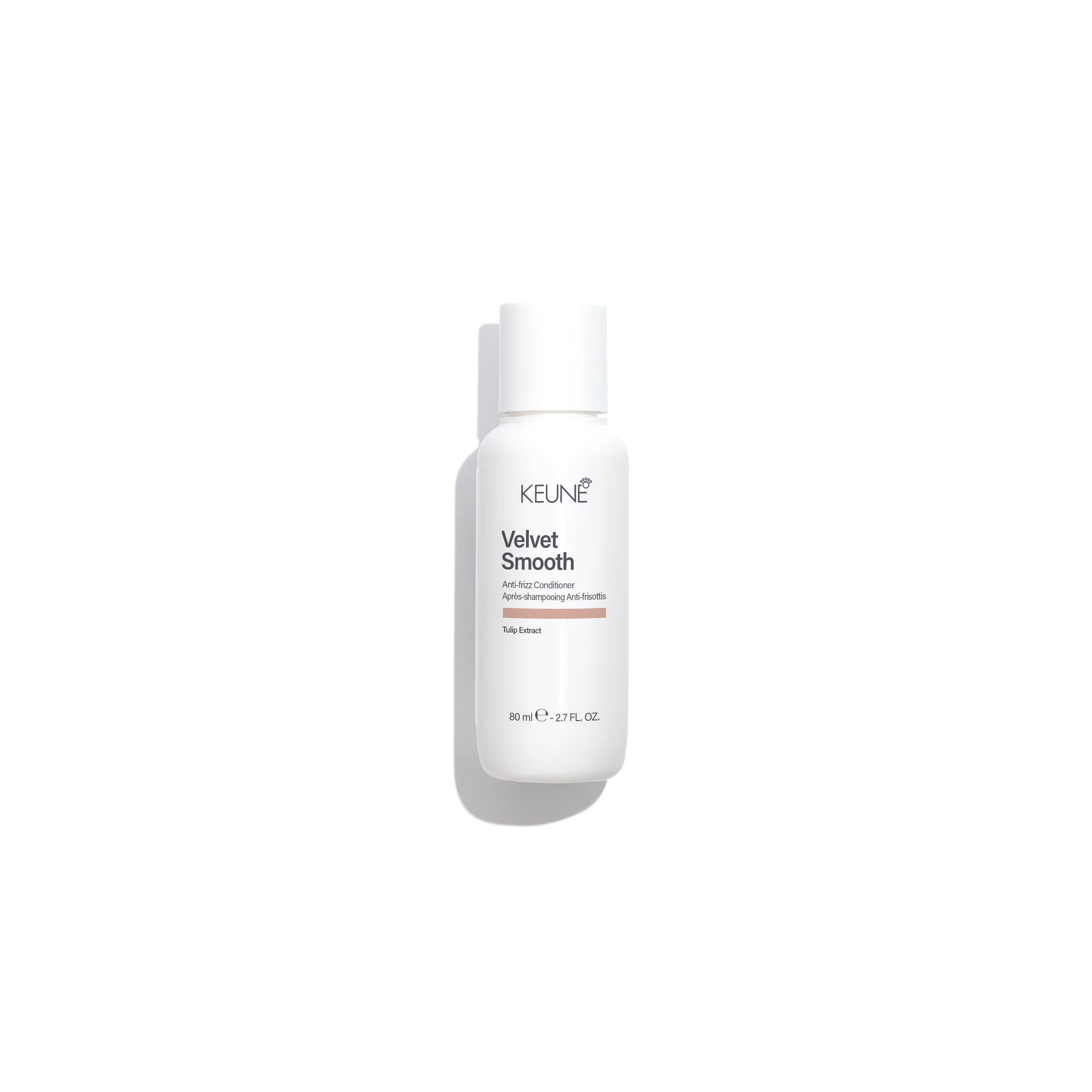
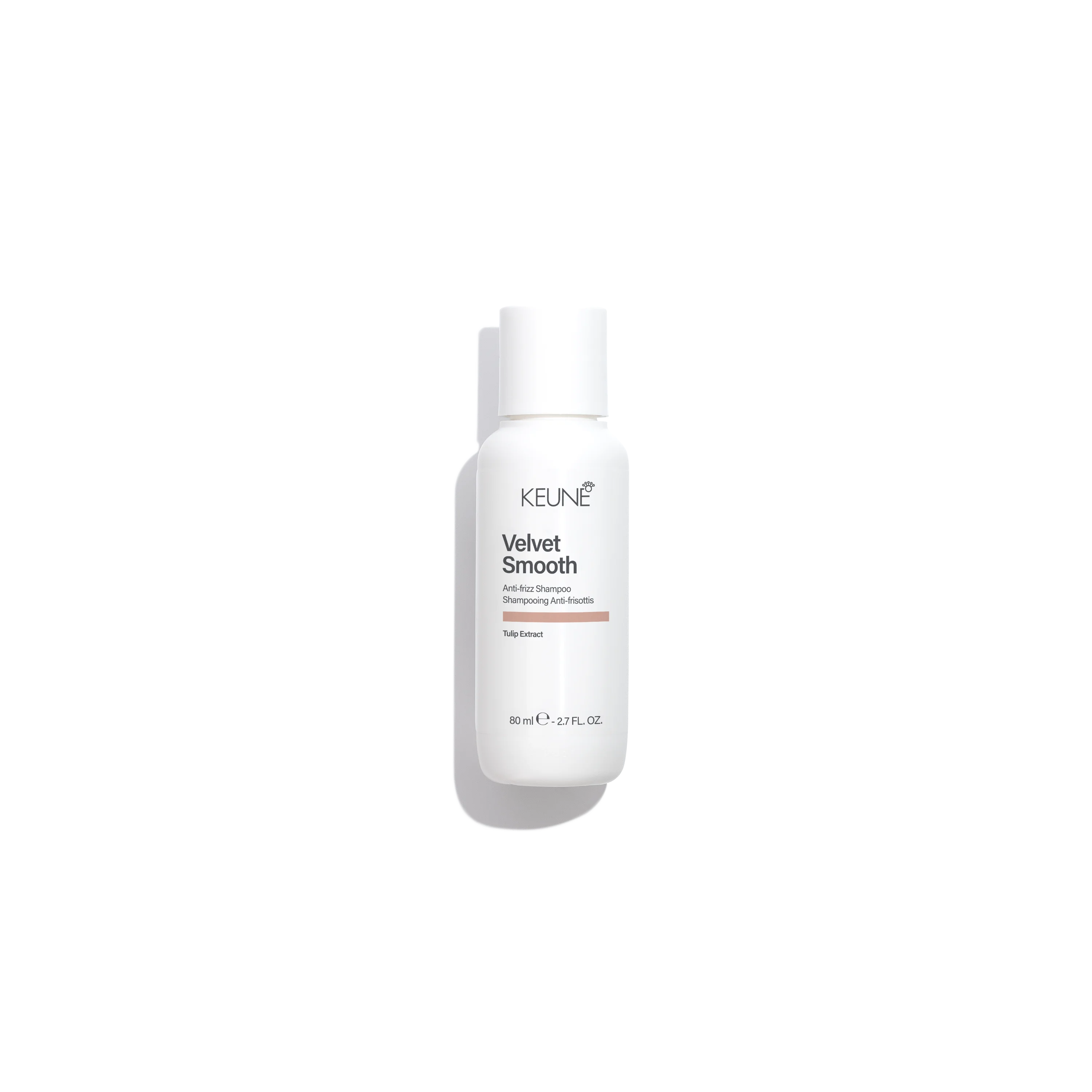
Choose an anti-frizz shampoo and a conditioner that restores moisture to your hair. Keune has developed the Velvet Smooth line specifically for frizzy hair.
Pat your hair dry instead of rubbing it with a towel
Rubbing hard opens the hair cuticles and can cause tangles and breakage. Use a microfiber towel or an old cotton T-shirt to gently pat your hair dry. This reduces frizz and protects the hair structure.
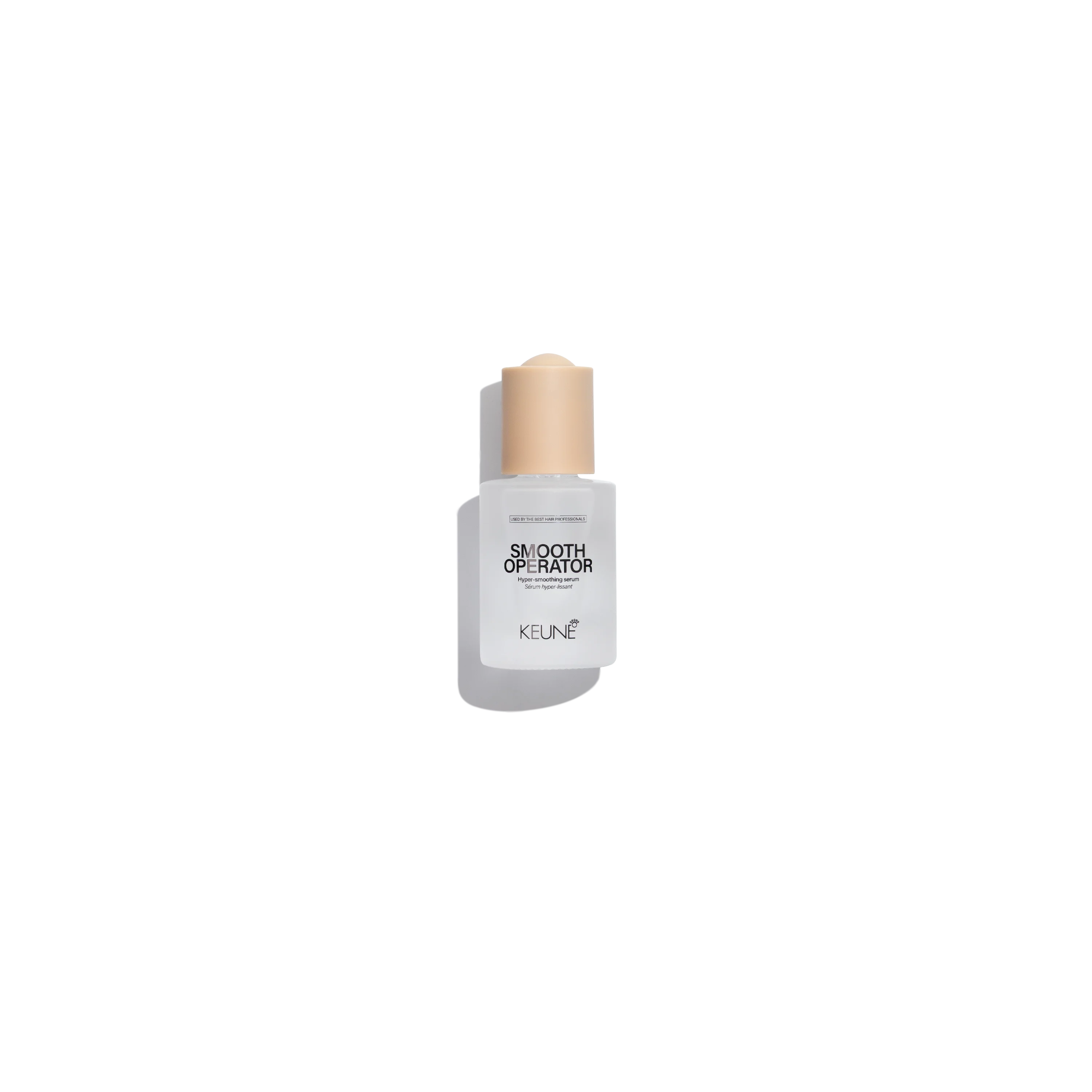
Use a leave-in conditioner or anti-frizz serum on towel-dried hair.
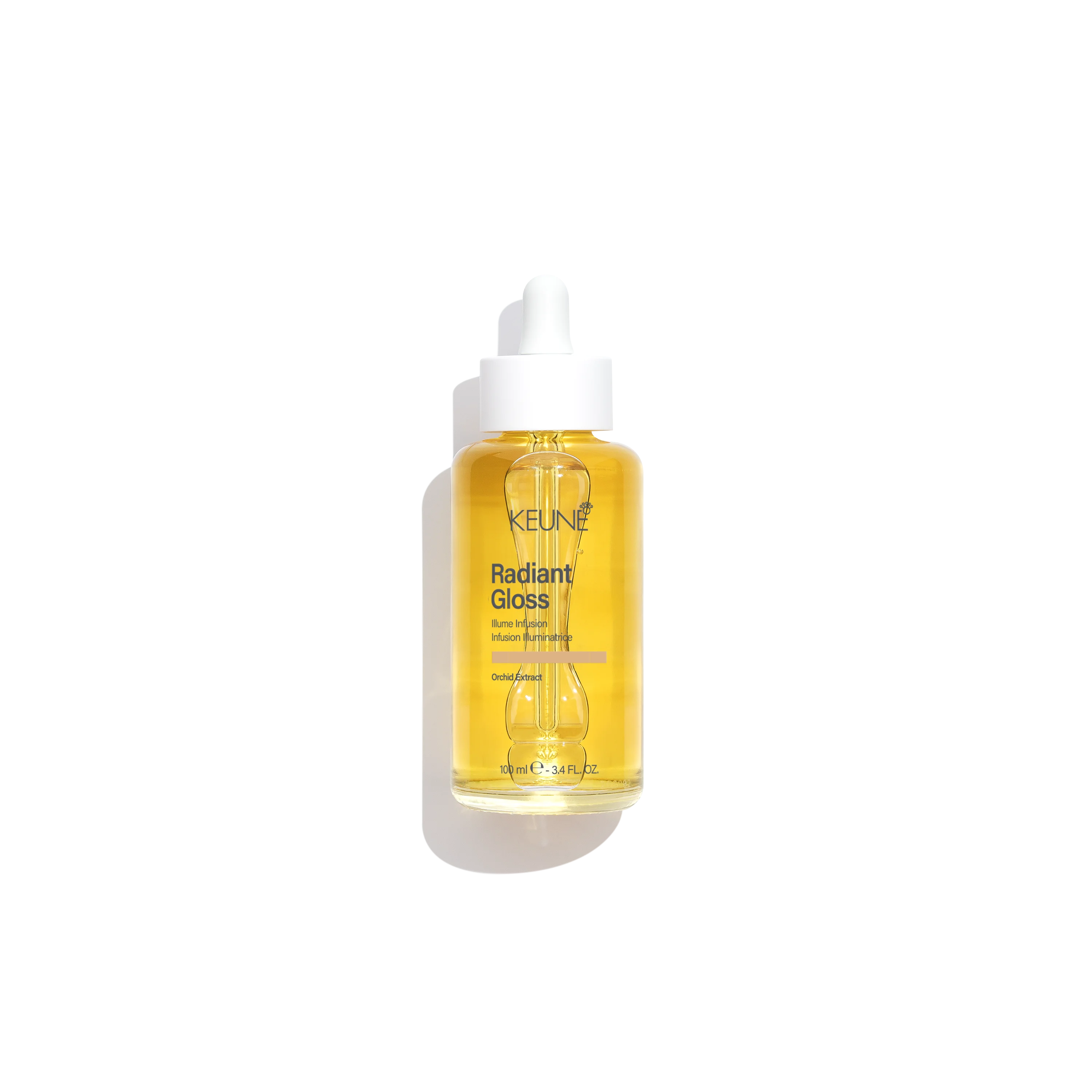
Leave-in products help keep your hair hydrated all day and form a protective layer against moisture from the air. A serum or oil can also smooth the hair cuticle for a shiny finish.
Avoid excessive heat and always use a heat protectant spray.
Blow dryers, straighteners, and curling irons can dry out and damage your hair. Try air-drying your hair more often or use a cool dryer. And if you do use heat, always use a heat protectant!
Choose a satin or silk pillowcase.
Cotton absorbs moisture and causes friction while you sleep, causing you to wake up with frizzy hair. Satin and silk are softer and help keep your hair smooth.
Sleep with a bonnet
While you sleep, a bonnet protects your hair from friction with your pillow. This keeps your hair cuticles closed, your style holds longer, and you wake up with smooth, frizz-free hair.
Regular deep-conditioning or hair masks
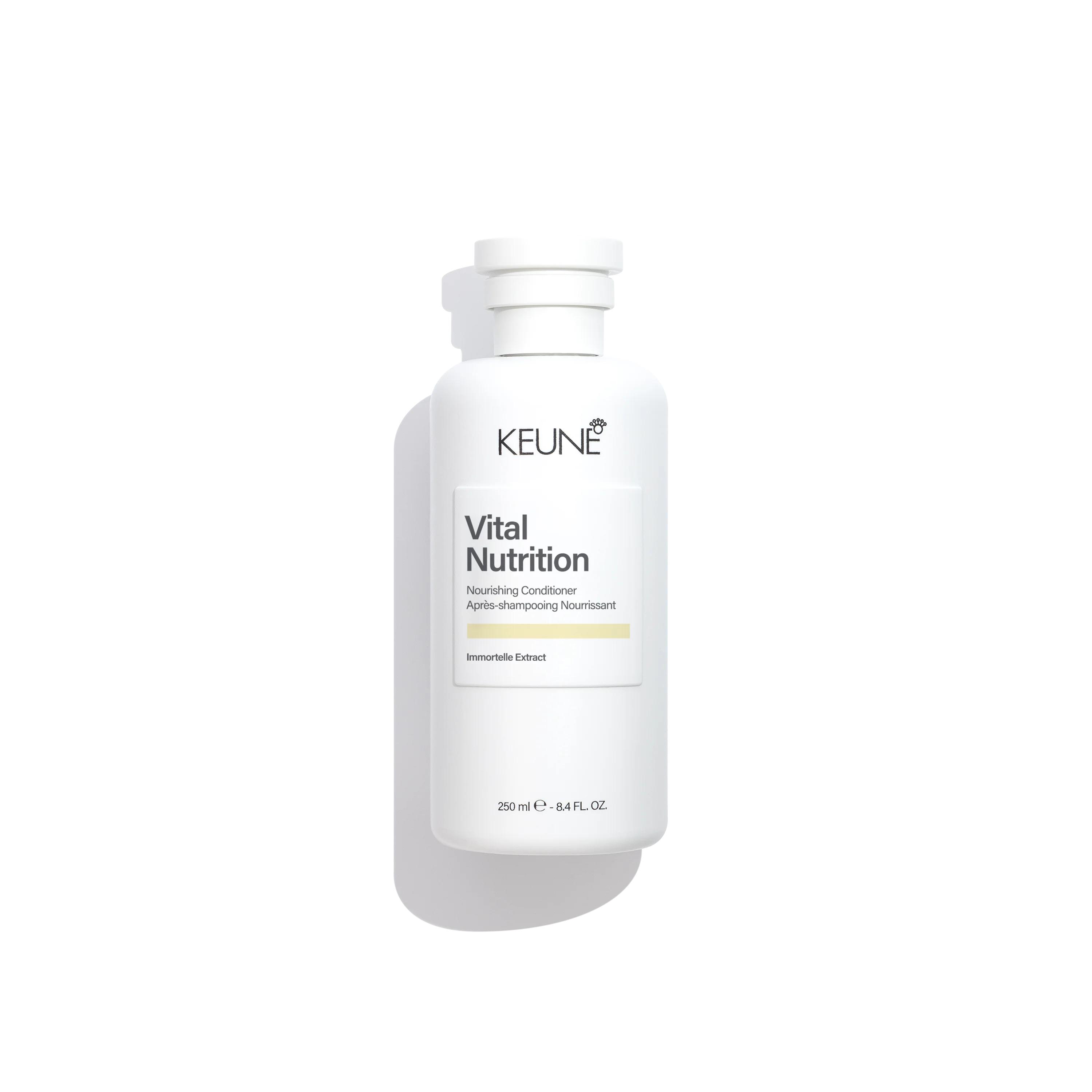
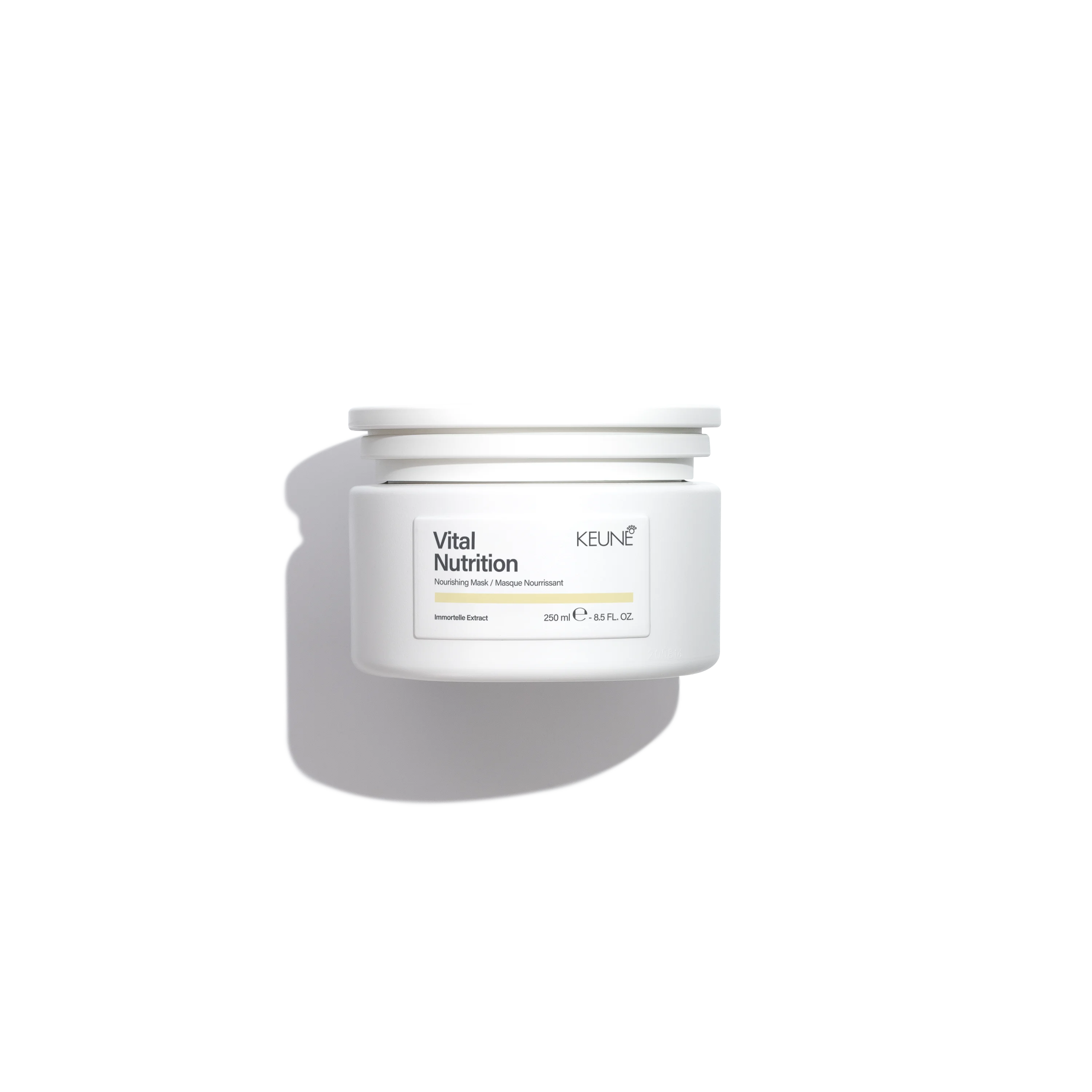
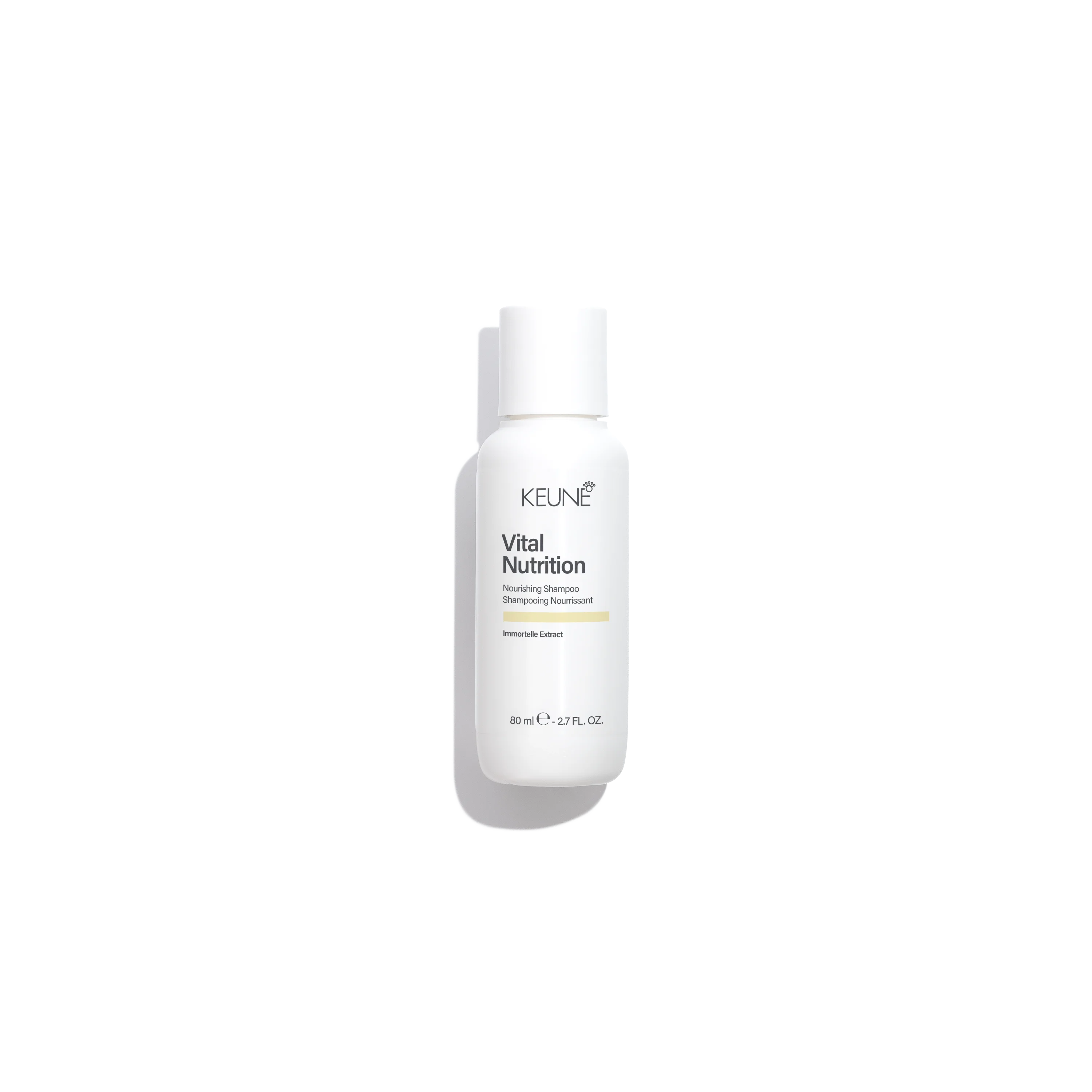
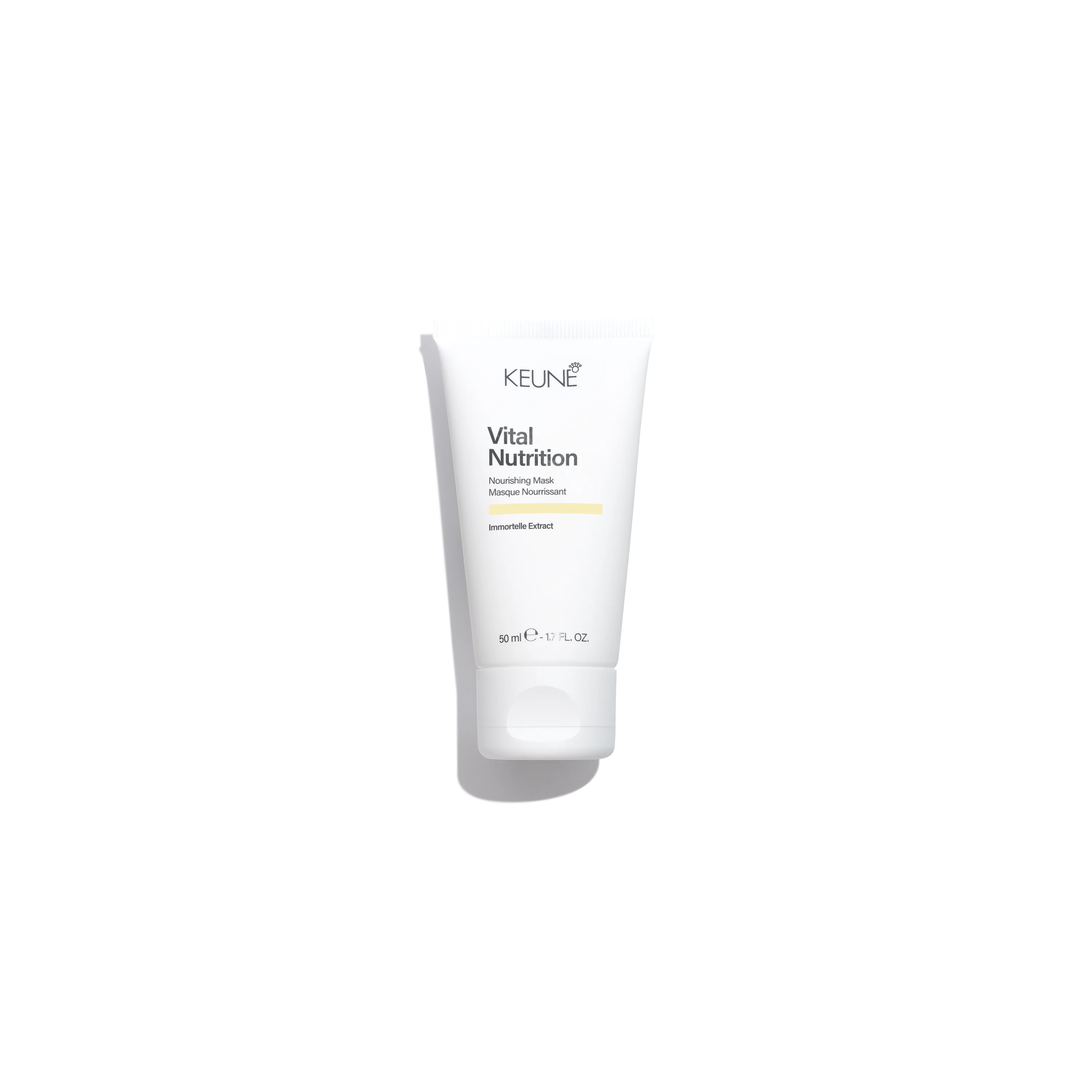
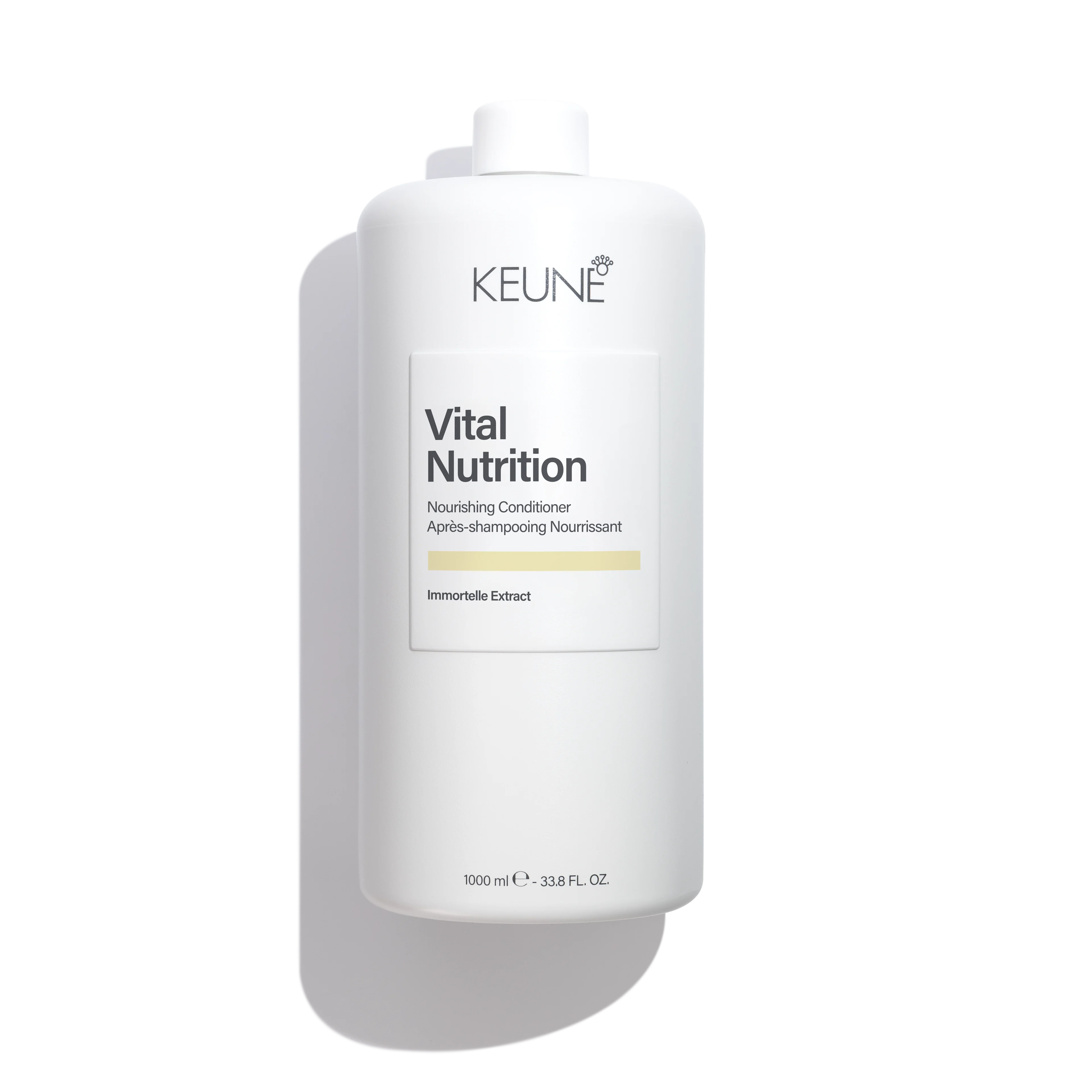
A nourishing mask once a week will give your hair a boost and help repair damage, reducing frizz. Keune's Vital Nutrition Mask is specially formulated to intensively nourish hair.
Regular trims
Split ends make your hair frizzy and dull, even if you take good care of it. Get a trim every 6 to 8 weeks to keep your hair healthy and shiny.
Pay attention to your brushing technique
Always brush your hair from the ends up to avoid pulling tangles down and damaging your hair. Use a wide-toothed comb or a special detangling brush on wet hair (with detangling spray or conditioner, if desired) to reduce breakage and frizz.
How to make curly hair less frizzy?
Curly hair is naturally drier than straight hair, making it more likely to frizz. But with the right care, you can keep your curls beautifully defined and frizz-free.
Frizz-Free Curly Hair Tips:
Use the Curly Girl-Proof Method
Choose a sulfate-free shampoo and silicone-free conditioner. Sulfates (like SLS and SLES) are powerful cleansers that effectively remove dirt and oil, but they often strip too much of your hair's natural oils. This can lead to dryness, scalp sensitivity, and increased frizz.
It's also best to avoid silicones (like dimethicone) in your conditioner. While they provide a temporary smooth and shiny effect, they can build up on your hair over time. This leaves your curls heavy and lifeless and can make it harder for moisturizing ingredients to penetrate.
Only comb your hair in the shower
Use a wide-toothed comb or your fingers to remove tangles while your conditioner is in your hair. Brushing on dry hair breaks the curl structure and causes frizz.
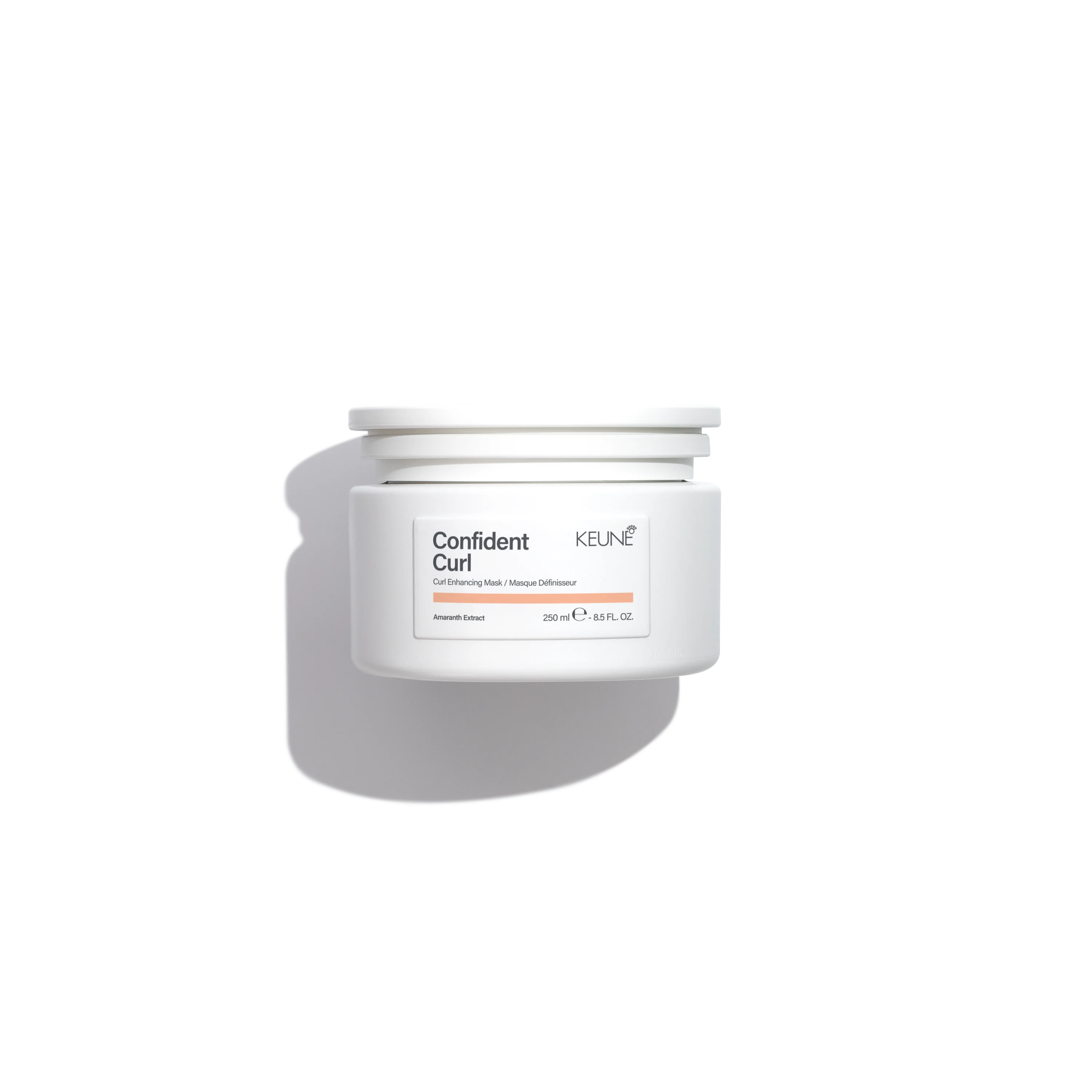
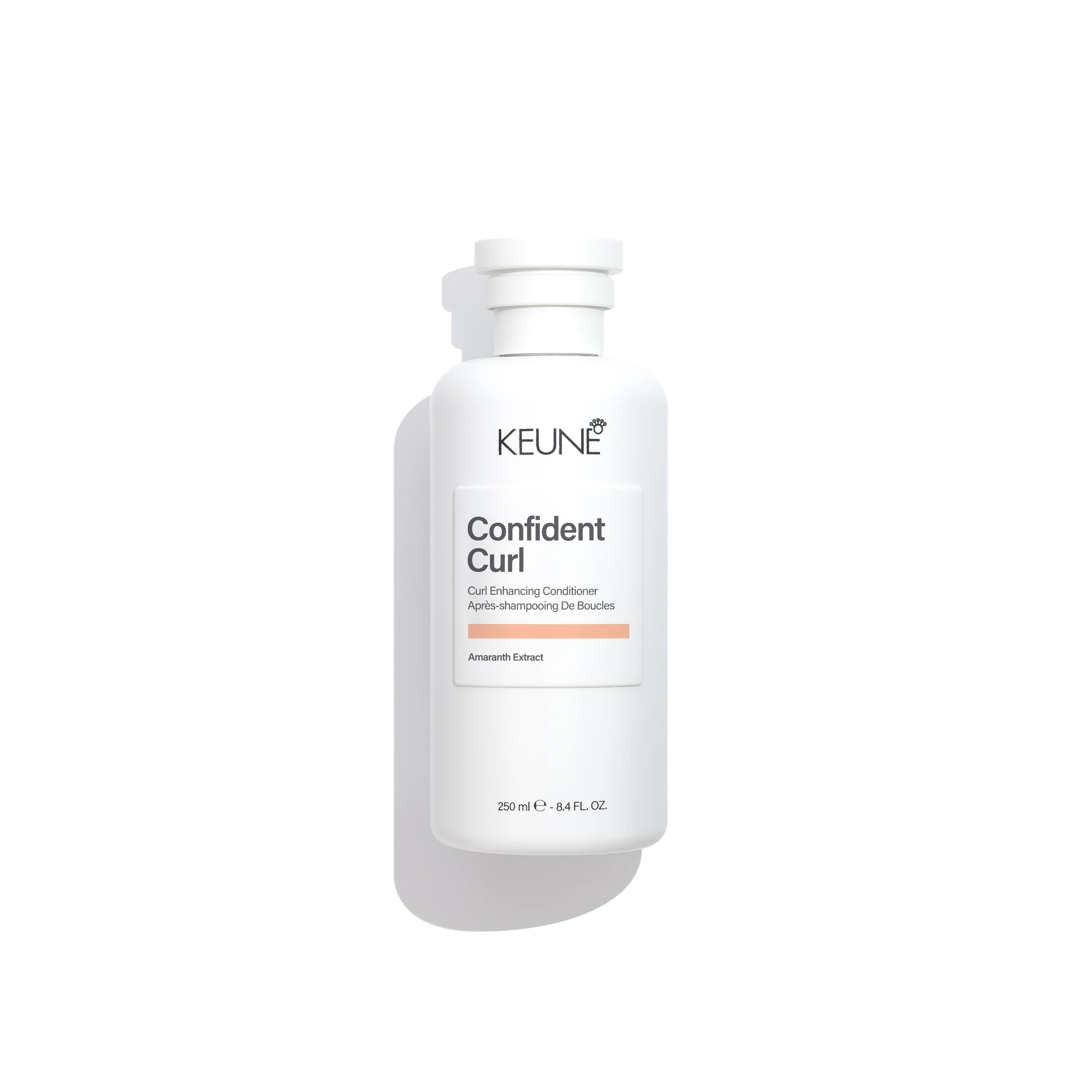
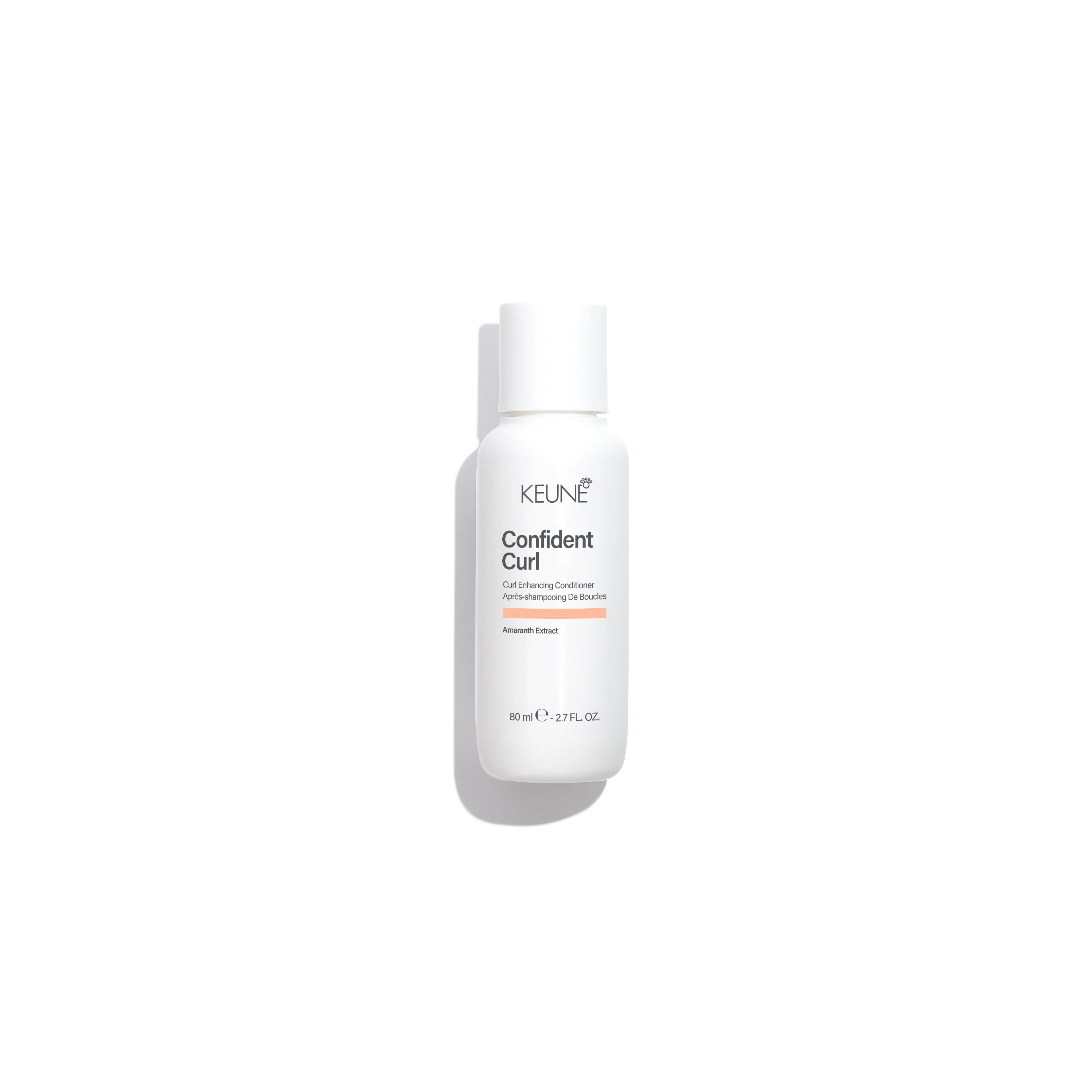
Keune has developed the Confident Curl conditioner for curly hair.
Scrunch and squeeze instead of rubbing
Pat your hair dry with a microfiber towel or cotton T-shirt. Gently scrunch it upwards to shape the curls and prevent frizz.
Choose a satin or silk pillowcase
Cotton absorbs moisture and creates friction while you sleep, causing you to wake up with frizzy hair. Satin and silk are softer and help keep your hair smooth.
Sleep with a bonnet
While you sleep, a bonnet protects your hair from friction with your pillow. This keeps your hair cuticles closed, your style holds longer, and you wake up with smooth, frizz-free hair.
Leave-in conditioner and curl cream
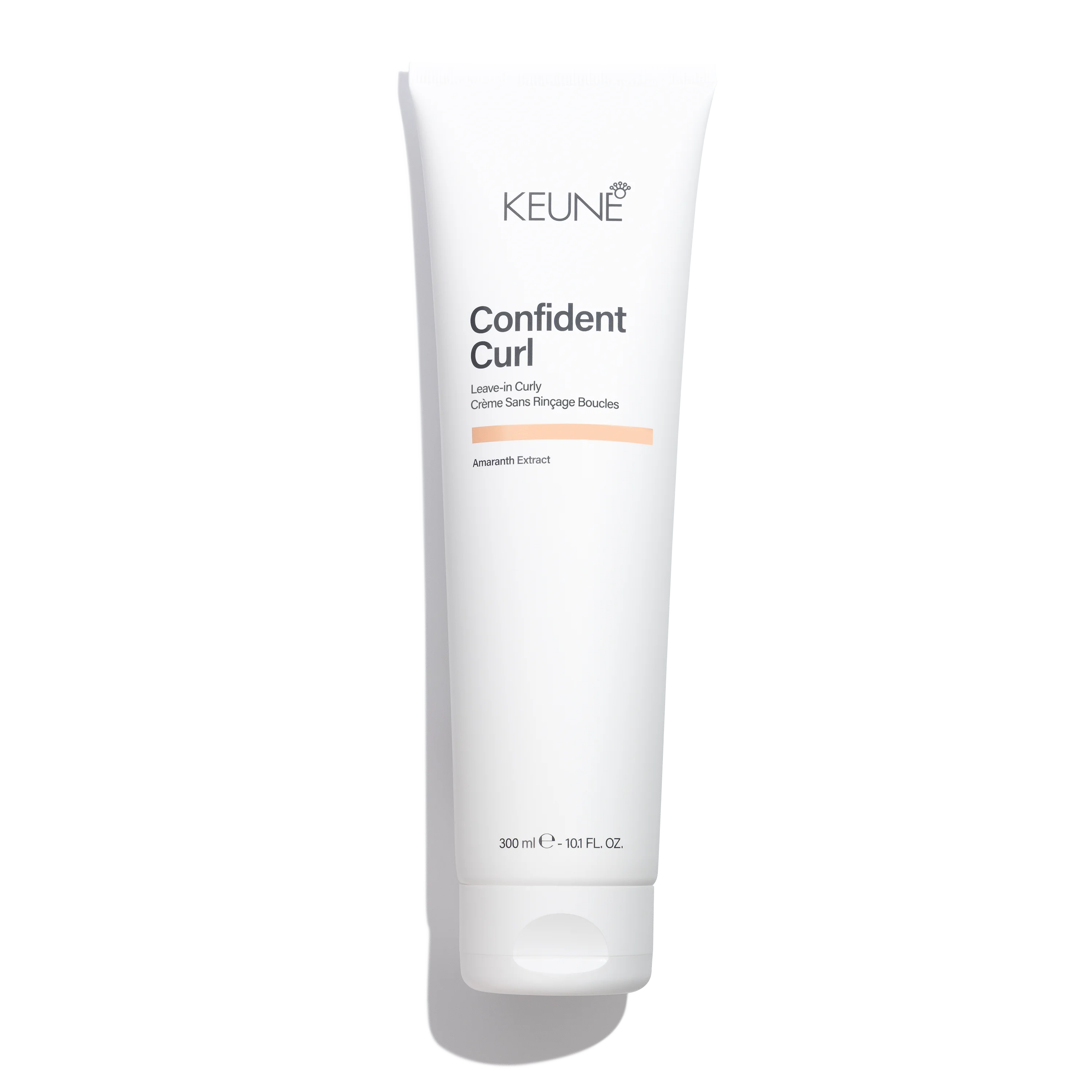
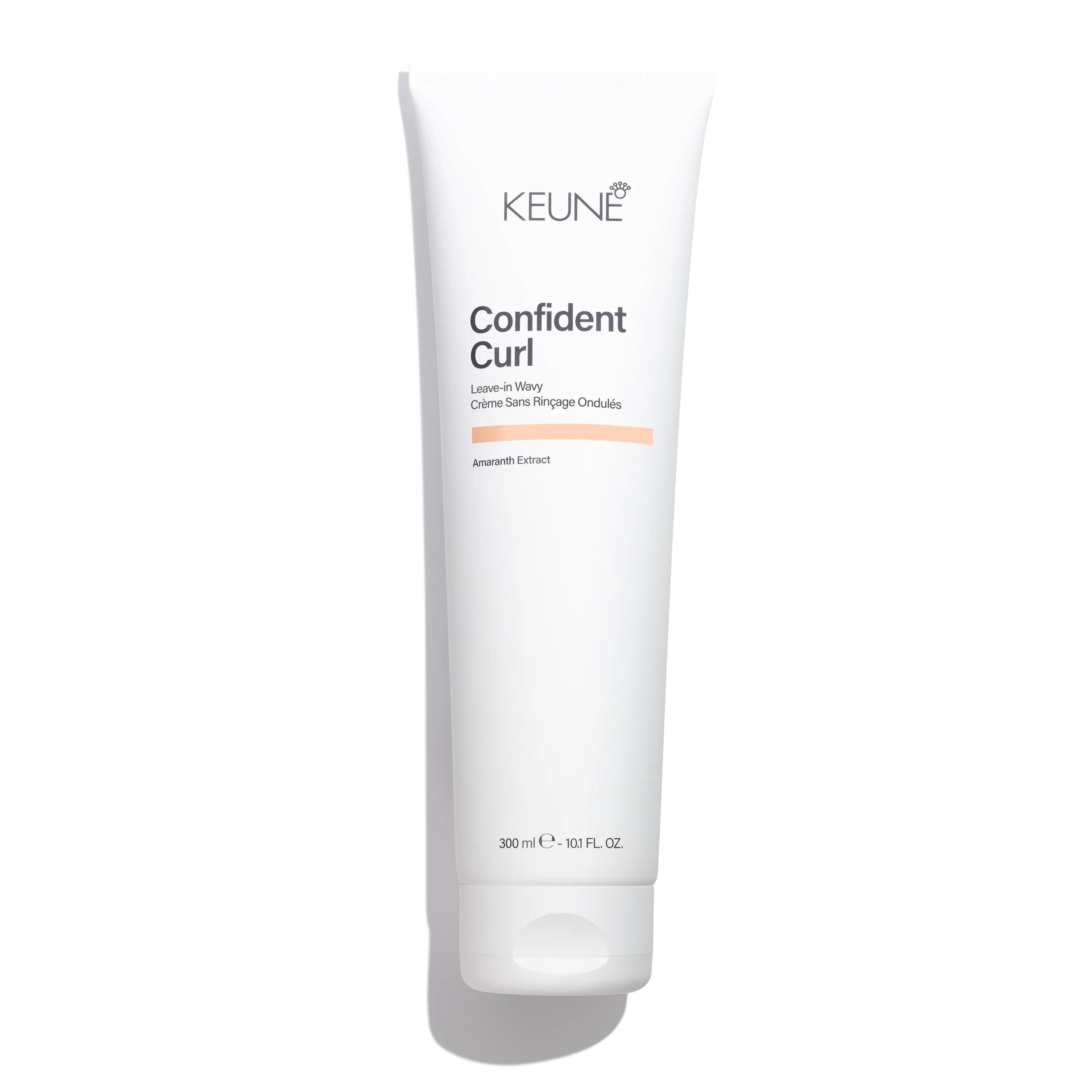
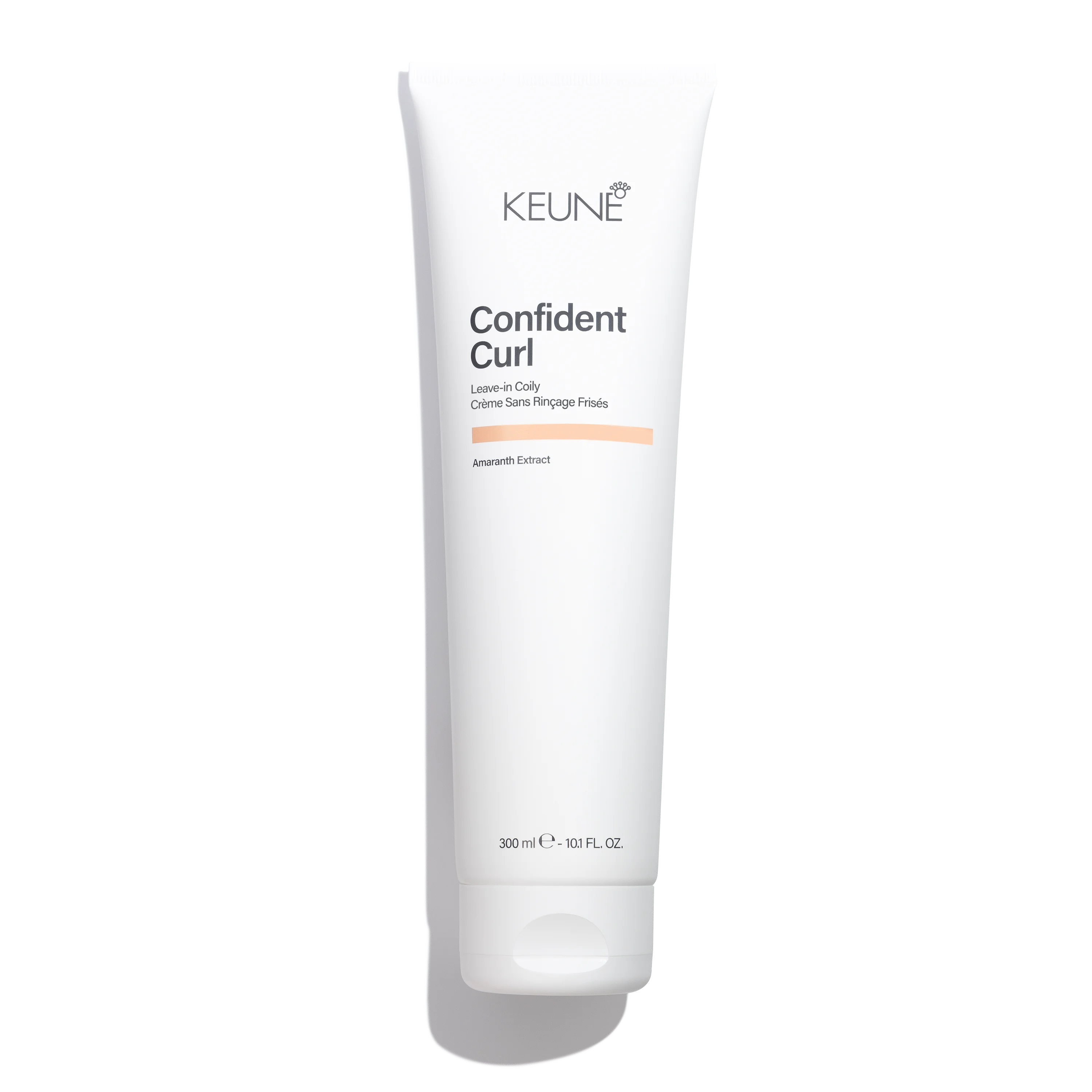
These products moisturize and define your curls. Apply to wet hair for best results. Keune has a leave-in for every curl type:
Confident Curl Leave-in Wavy: for curl types 2A-2C
Confident Curl Leave-in Curly: for curl types 3A-3C
Confident Curl Leave-in Coily: for curl types 4A-4C
Frizz is often a sign that your hair needs extra hydration. Choose the right products. Follow a moisturizing routine. Adopt smart habits. This will help reduce frizz and keep your hair smooth and shiny.
What is the best product against frizzy hair?
The best anti-frizz product is one that provides long-lasting hydration, closes the hair cuticle, and protects your locks from moisture. The perfect product varies by hair type, but a good anti-frizz routine always starts with the right foundation:
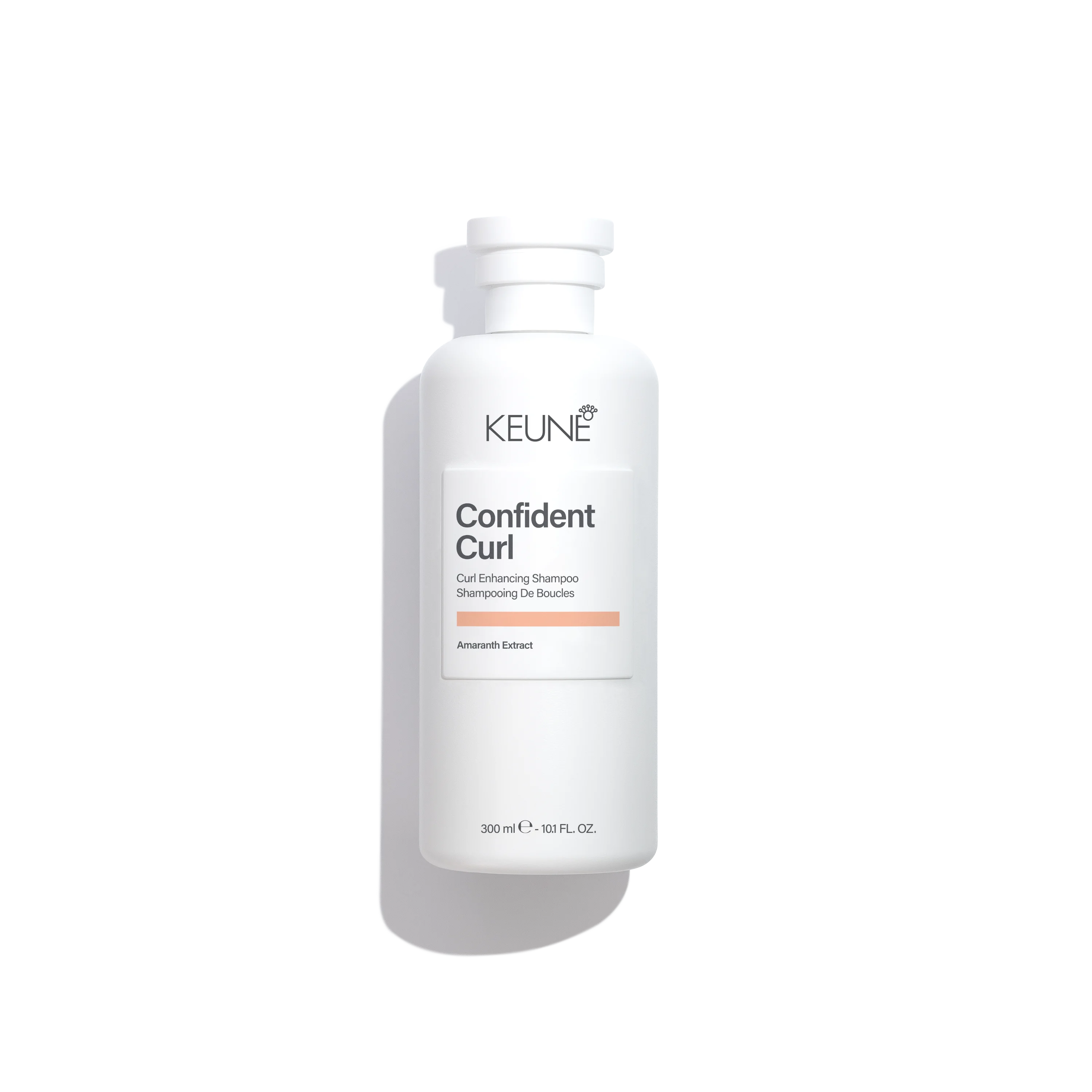
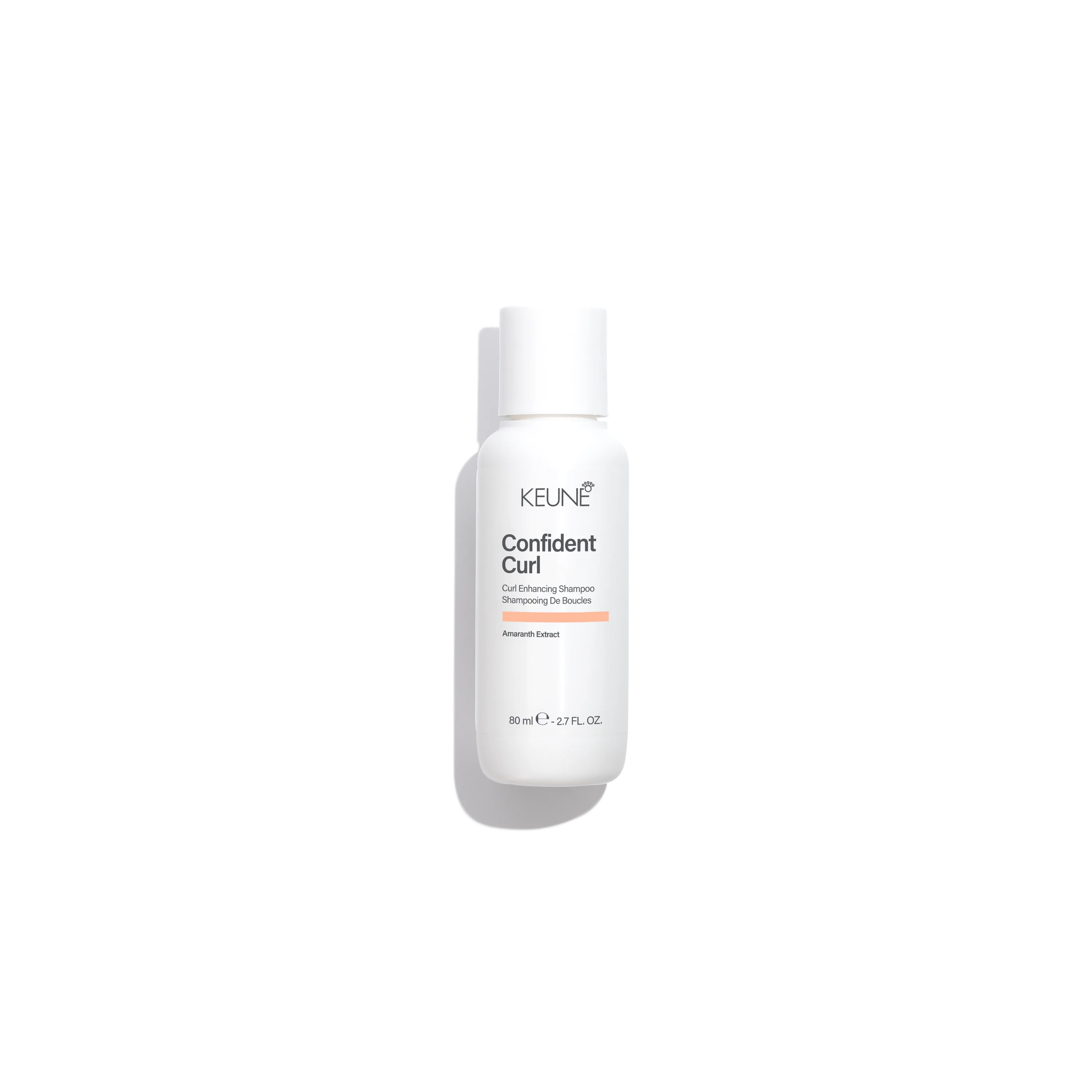
Anti-frizz shampoo: Velvet Smooth Shampoo or, for curls, Confident Curl Shampoo
Anti-frizz conditioner: Velvet Smooth Conditioner or Confident Curl Conditioner
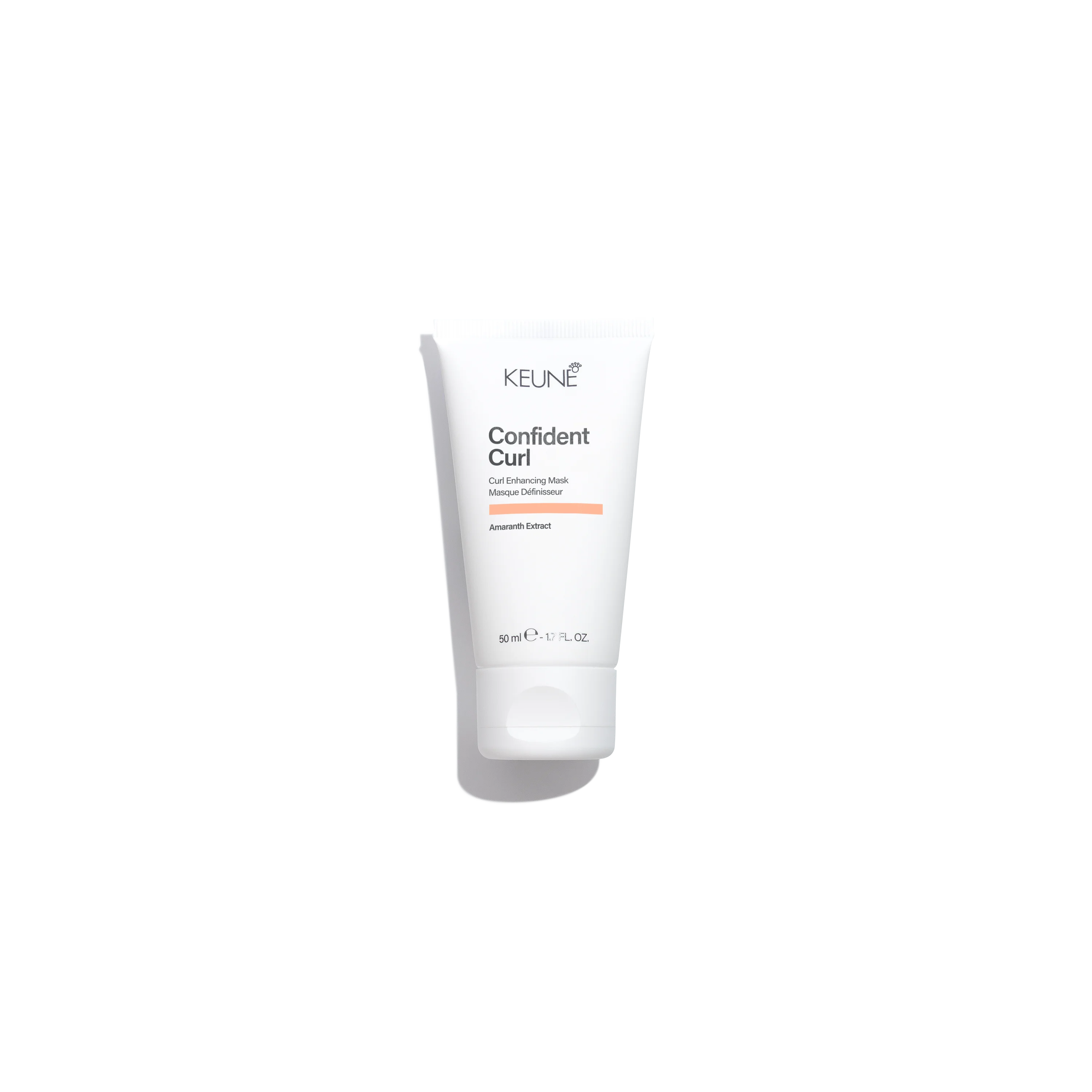
Anti-frizz mask: Velvet Smooth Mask or Confident Curl Mask
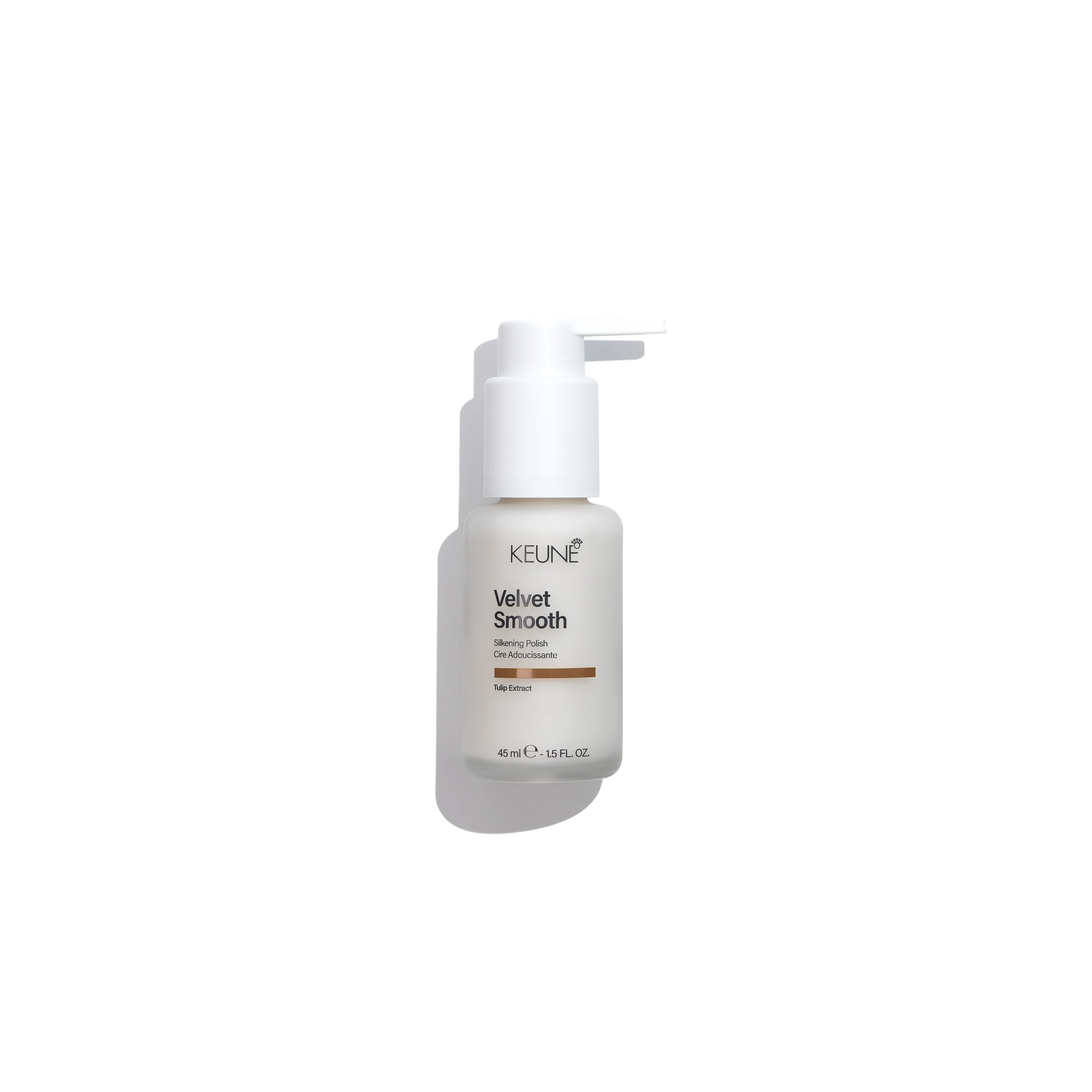
Leave-in: Velvet Smooth Silkening Polish or Confident Curl Leave-in Curly
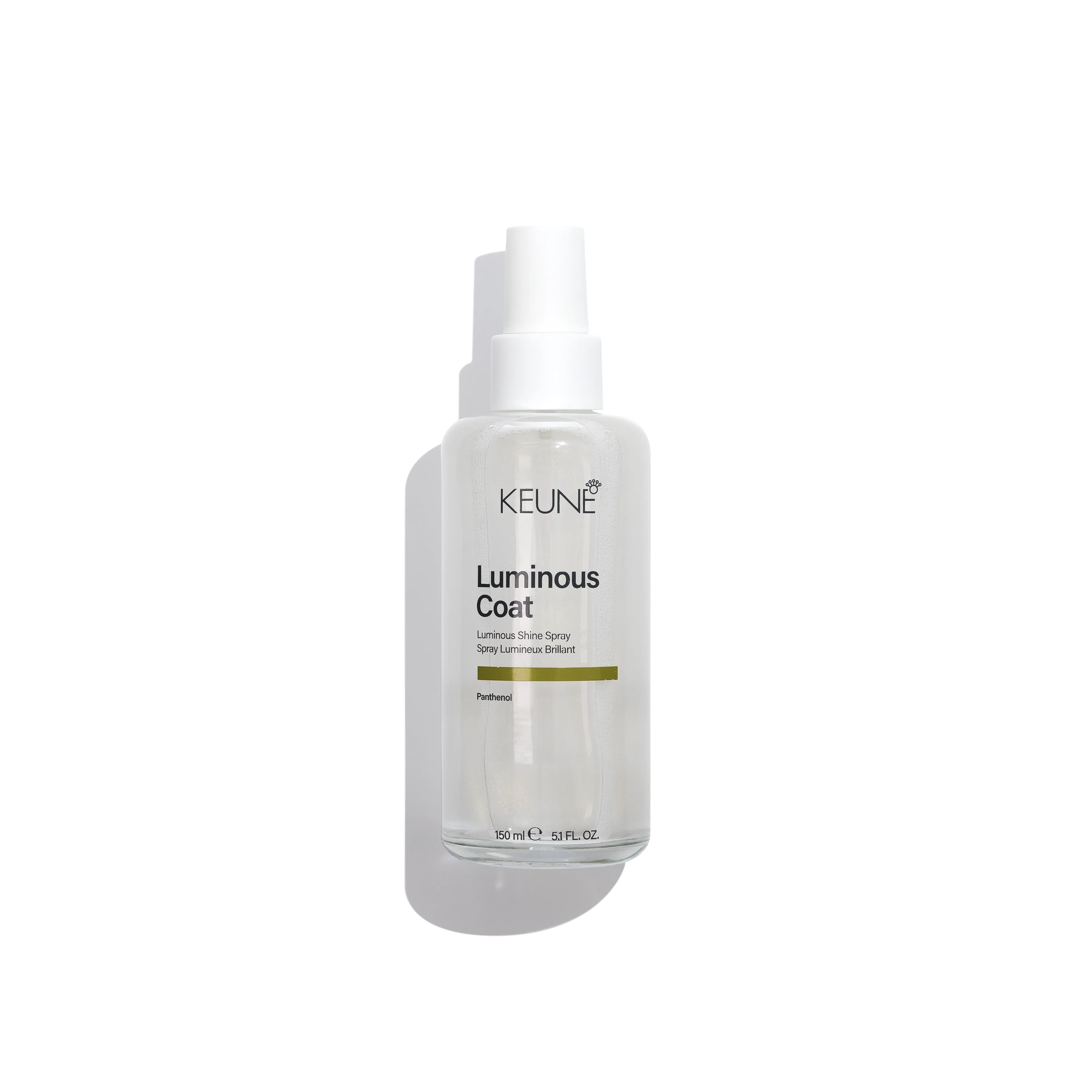
Anti-frizz during styling: Luminous Coat Shine Spray or, for curls, Luminous Coat Supreme Cream