Dry hair: causes, care and do's & don'ts
Healthy Hair Tips
Dry hair: causes, care and do's & don'ts



Does your hair feel dry, rough or frizzy? Dry hair is common across many hair types and can have several causes. Think of heat styling tools, weather conditions or a hair care routine that doesn't quite suit your hair's needs. These factors can make it harder for your hair to retain moisture, leaving it feeling less soft and shiny.
Fortunately, the right hair care can make a big difference. But what causes dry hair, how can you recognise it and what can you do about it? Discover the causes, the most important do's and don'ts and which products can help your hair feel soft and smooth again.
What causes dry hair?
Dry hair occurs when the hair doesn't retain enough moisture and nourishing lipids. The hair's protective outer layer, known as the cuticle, plays an important role in this. When this layer becomes damaged, the hair loses moisture more easily and feels rougher.
Several factors can cause or worsen dry hair:
Frequent use of heat styling tools: Blow-drying, straightening and curling your hair at high temperatures can damage the hair structure and dry it out.
Chemical treatments: Colouring, bleaching and perming can affect the hair's protective structure, making it more vulnerable.
Weather conditions: Sunlight, dry air, wind and temperature changes can contribute to dry hair.
An unsuitable hair care routine: Washing your hair too often, using hot water or not applying enough conditioner can make dryness worse.
Your natural hair type: Curly and highly textured hair is often naturally drier because the scalp's natural oils have more difficulty travelling down the hair lengths.
Want to learn more about caring for your hair? Read our tips on how to hydrate your hair.
How can you recognise dry hair?
Dry hair isn't always immediately visible. Often, the first thing you notice is how your hair feels. The lengths and ends may become rougher and more difficult to detangle.
You can recognise dry hair by the following signs:
Your hair feels coarse, rough or straw-like.
Your hair looks dull and lacks natural shine.
Your hair becomes frizzy more easily.
Your hair tangles easily.
Your ends feel particularly dry and fragile.
Your hair breaks more easily, especially when it's also damaged.
Dry hair and damaged hair aren't the same thing. Dry hair mainly needs hydration and nourishment, while damaged hair may also have a compromised hair structure. Both can occur at the same time.
What can you do about dry hair?
The right hair care routine helps make dry hair feel softer, smoother and easier to detangle. Combine a gentle shampoo with a nourishing conditioner and regularly give your hair extra care with a hair mask.
Use a hydrating shampoo for dry hair
A good shampoo cleanses your hair without unnecessarily drying it out. That's why it's important to choose a shampoo that meets the needs of dry hair.
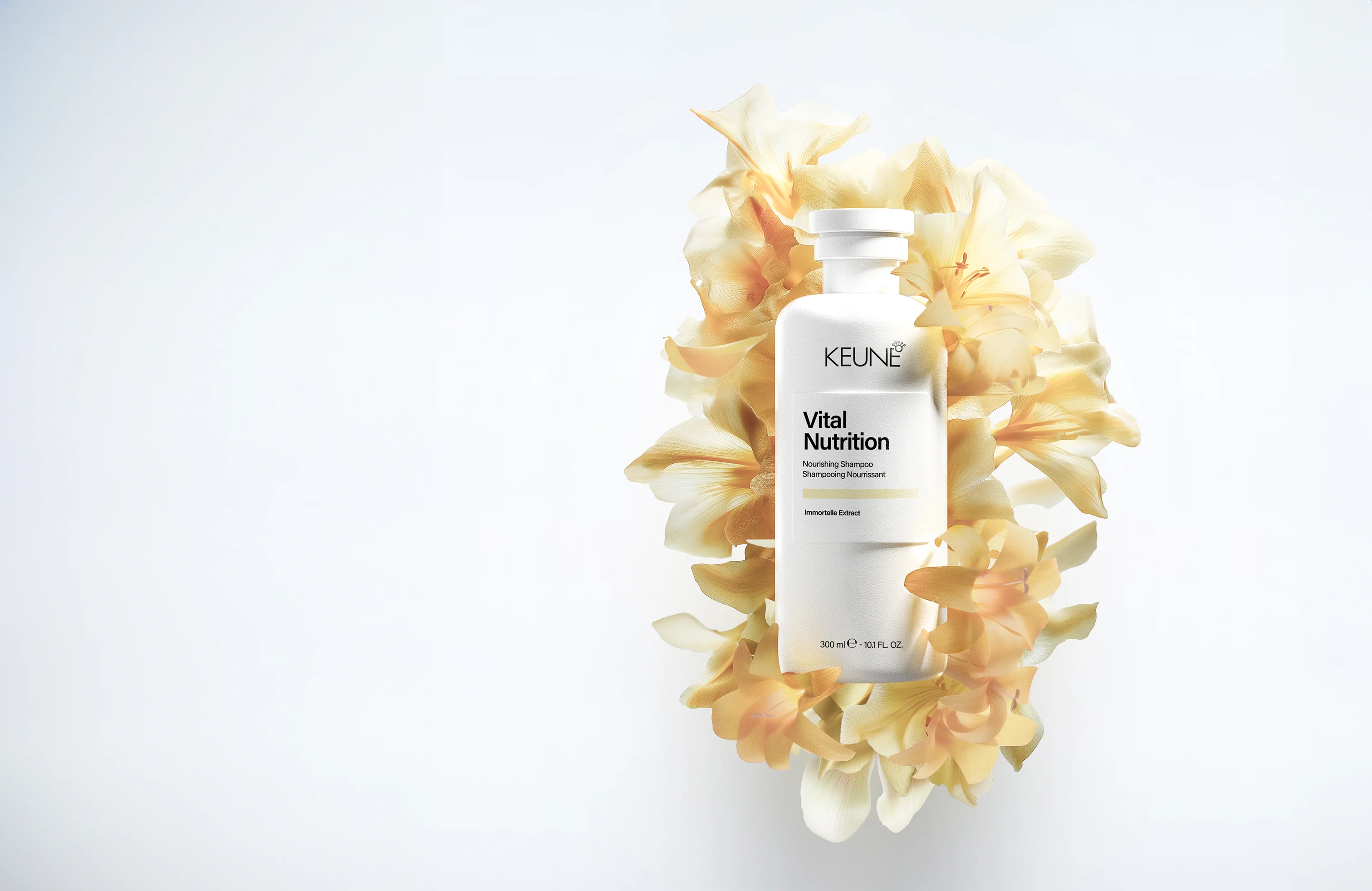
KEUNE Vital Nutrition Shampoo gently cleanses the hair while helping to deeply hydrate and soften it. The formula is developed for dry hair that needs extra nourishment and care.
Explore our shampoos for dry hair for more options.
Care for your hair with a nourishing conditioner
Conditioner is an important step when caring for dry hair. It helps smooth the hair lengths, reduces tangles and leaves your hair feeling softer and more manageable.
Vital Nutrition Conditioner provides intense hydration and helps make dry hair smoother and easier to detangle.
After shampooing, apply the conditioner to the lengths and ends, leave it on for 1 to 3 minutes and rinse thoroughly. Discover our conditioners for dry hair as well.
Use a hair mask for dry hair regularly
Does your hair need extra care? Add a hydrating hair mask to your routine. A hair mask provides intensive care and is particularly beneficial when your hair feels very dry, rough or damaged.
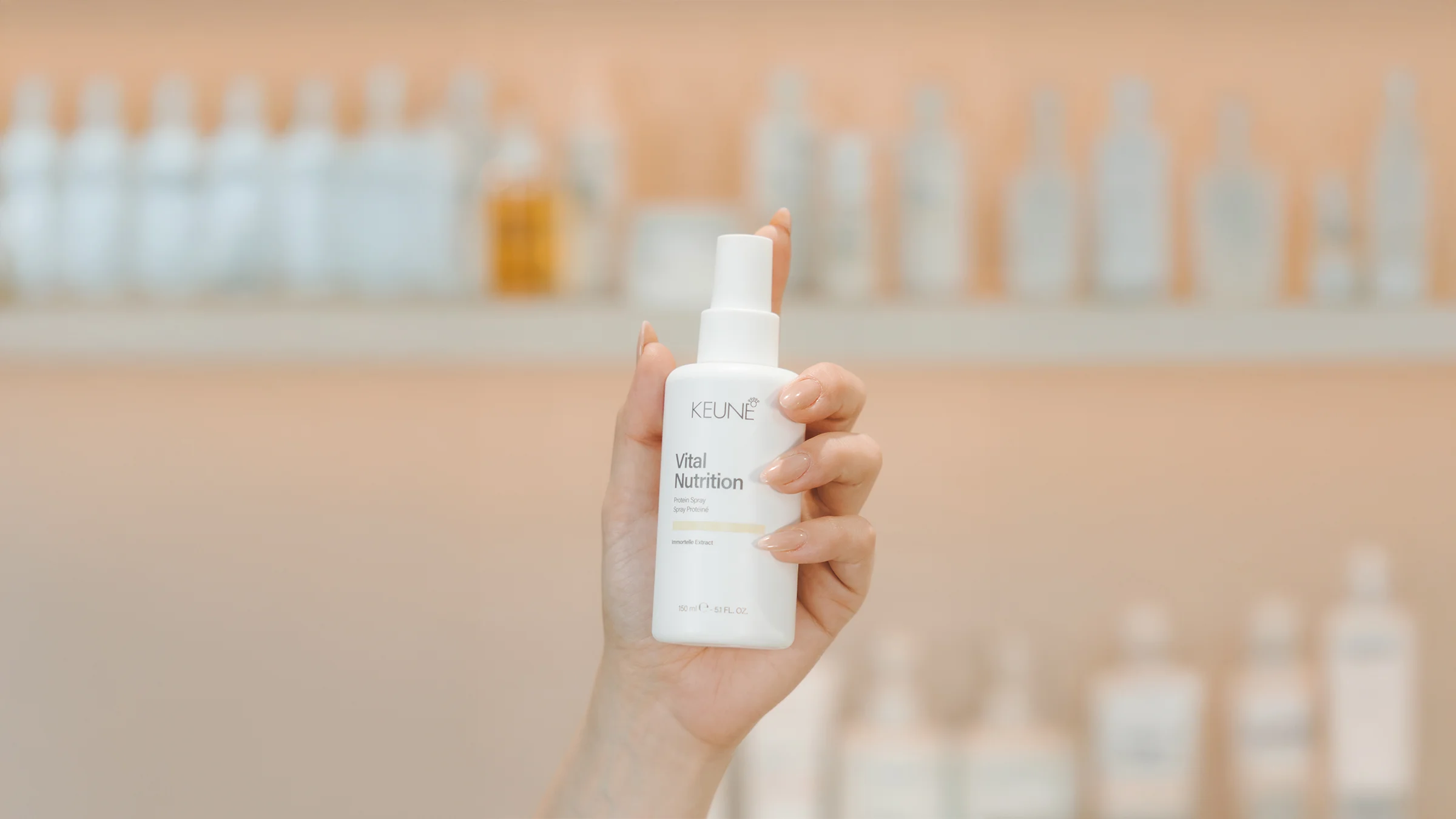
Vital Nutrition Mask is developed to deeply hydrate, nourish and smooth dry hair.
Use the mask once a week, for example, depending on your hair's needs. Leave it on for 3 to 5 minutes, following the instructions, then rinse thoroughly.
Want to know more? Read our tips on how to use a hair mask.
Caring for dry hair: the do's and don'ts
Besides using the right products, your daily habits also make a difference. With a few simple changes, you can help prevent your hair from drying out unnecessarily.
Do's for dry hair:
Wash your hair with lukewarm water. This helps prevent the water from unnecessarily drying out your hair and scalp.
Use conditioner after washing. Pay extra attention to the drier lengths and ends.
Protect your hair from heat. Use a heat protectant before blow-drying, straightening or curling your hair.
Give your hair extra care regularly. A hair mask or leave-in conditioner helps keep dry hair feeling softer and smoother.
Detangle your hair gently. Start at the ends and slowly work your way up to help minimise breakage.
Don'ts for dry hair:
Don't wash your hair more often than necessary. Washing too frequently can reduce the natural oils in your hair and scalp.
Don't use heat styling tools at unnecessarily high temperatures. Choose a temperature that suits your hair type and condition.
Don't rub your hair vigorously with a towel. Gently pat or squeeze out excess moisture instead.
Don't skip conditioning products. Shampoo alone is often not enough for dry hair.
Don't brush your hair too roughly. Fragile ends in particular may break more easily as a result.
What helps with extremely dry hair?
Does your hair feel very dry and remain rough or frizzy despite your hair care routine? Then your hair may need more than just hydration.
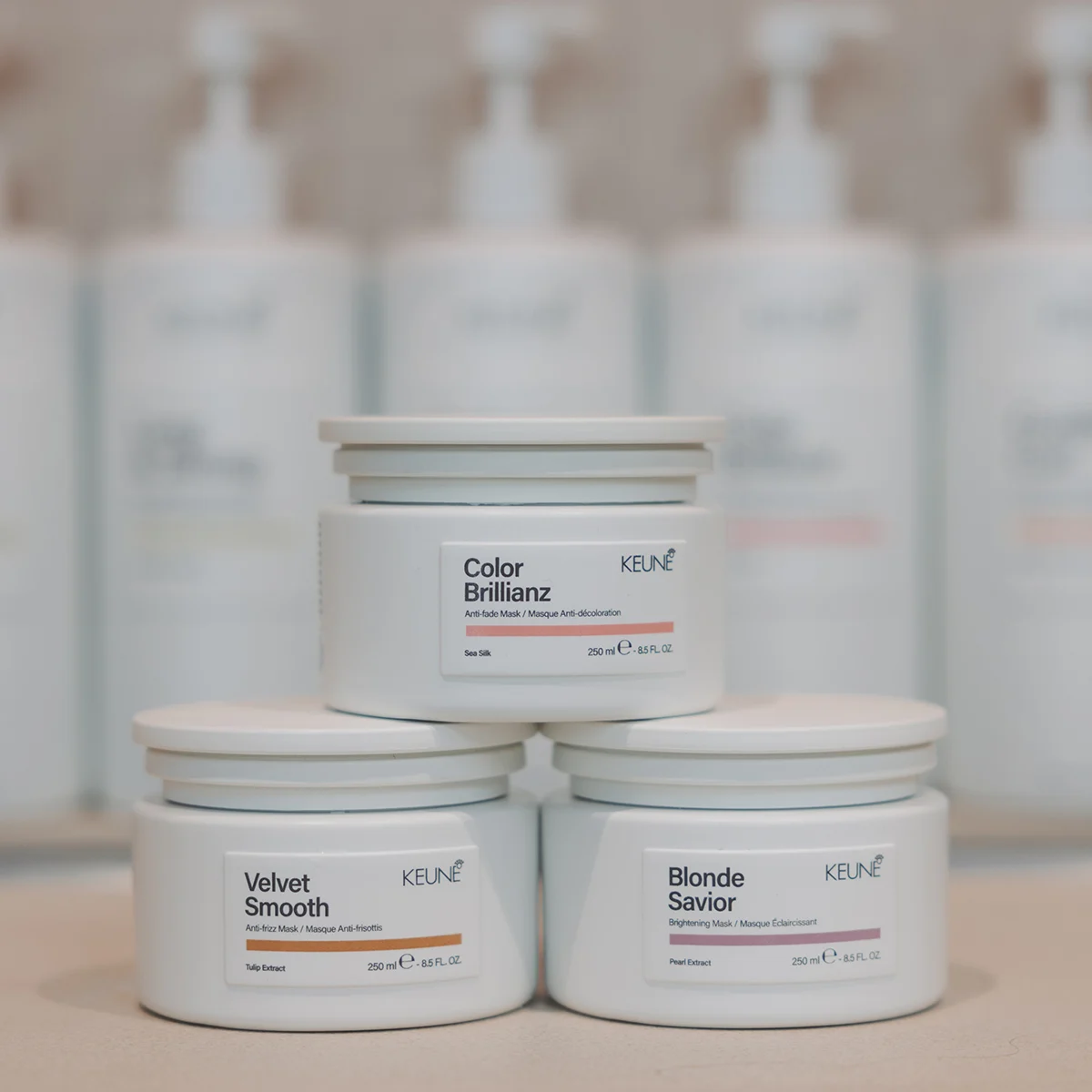
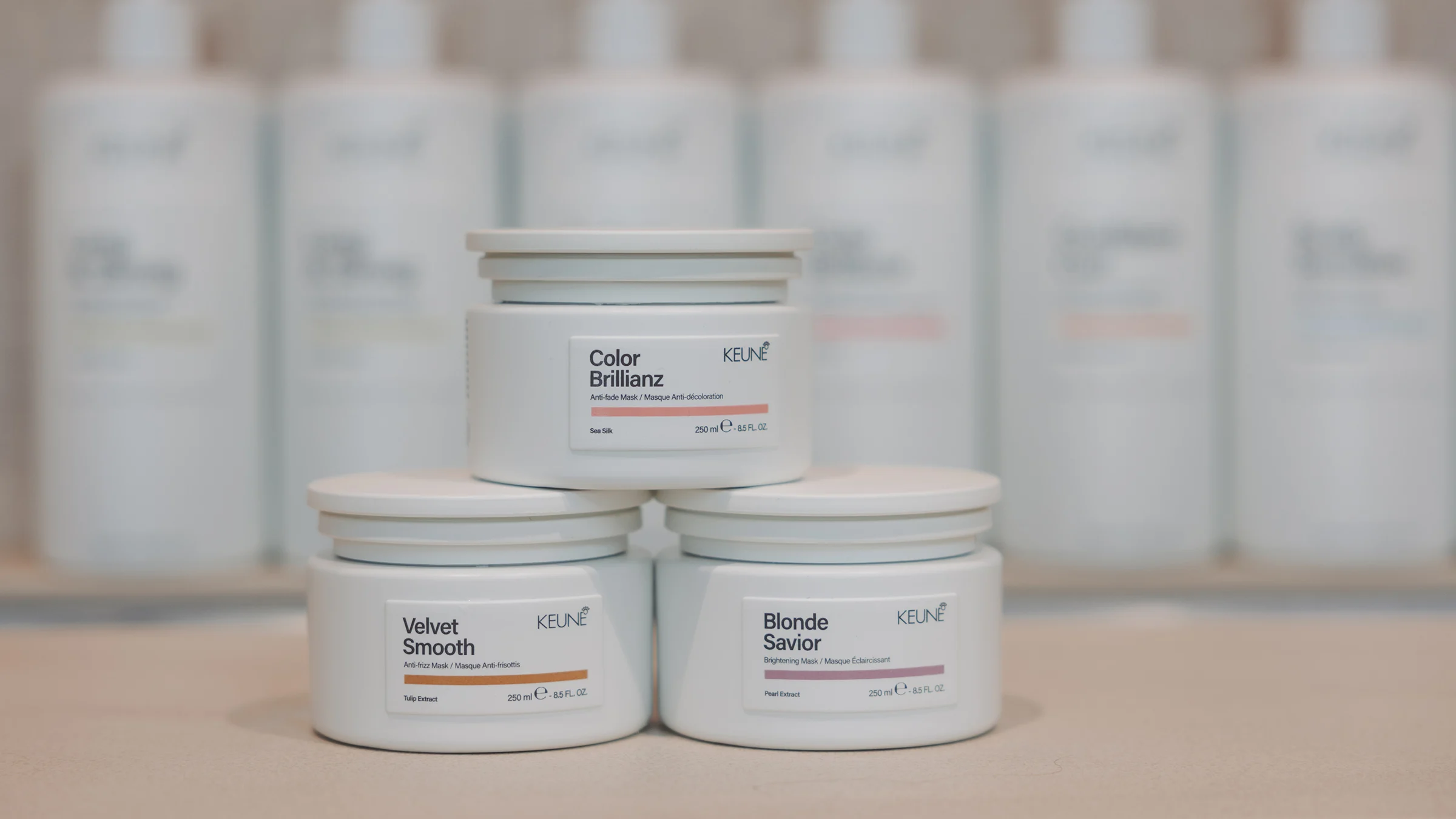
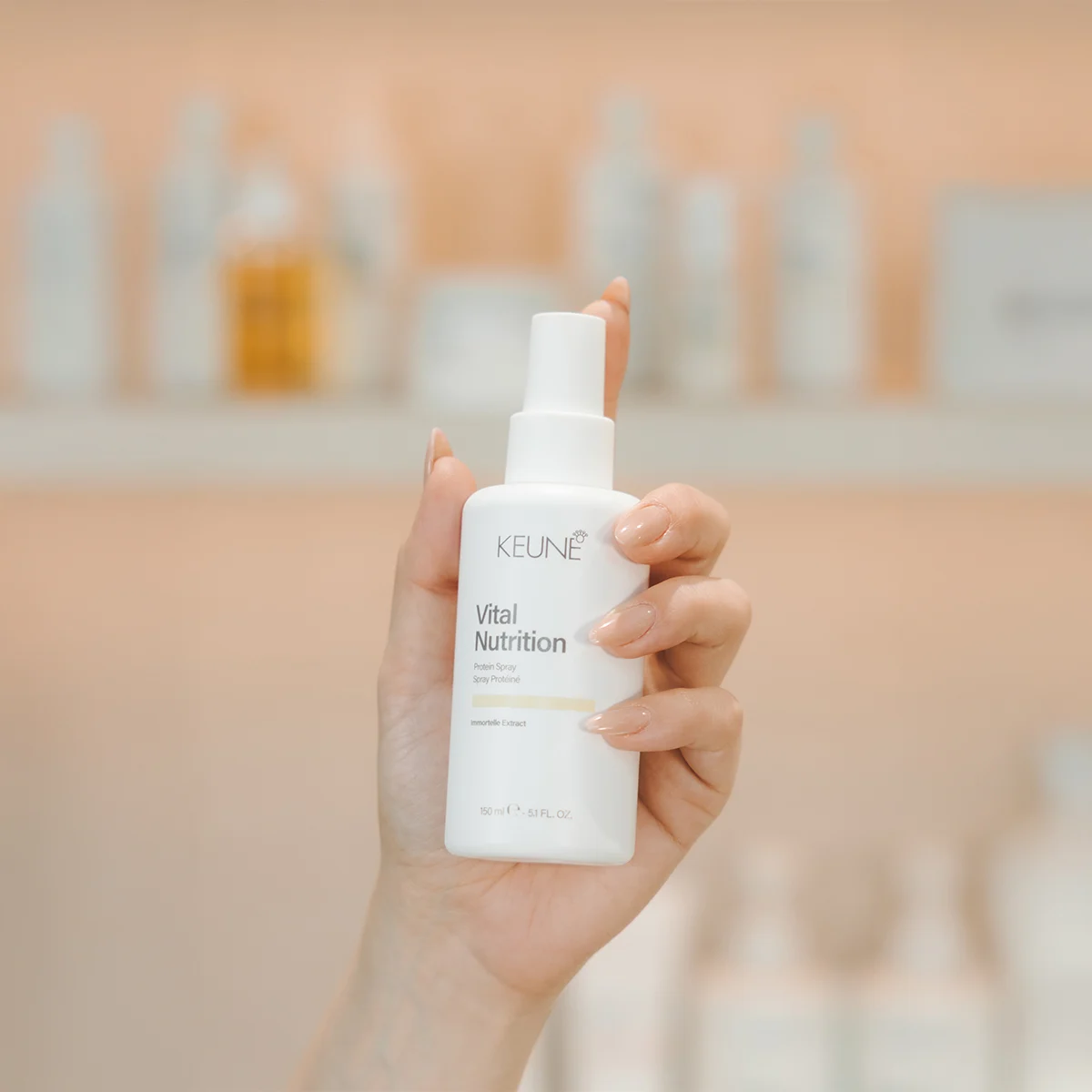
For dry hair that needs extra nourishment, KEUNE Vital Nutrition is a good choice. If your hair is also very frizzy, you can choose products from the Velvet Smooth collection. For dry and damaged hair, a restorative routine such as Instant Revive may be more suitable.
Keep in mind that existing split ends cannot be fully repaired with hair care products. Having these ends trimmed and taking good care of your hair afterwards can help prevent further damage.
Not sure which products are best for your hair? Ask your KEUNE hair pro for advice.
Frequently asked questions about dry hair
Can dry hair become healthy again?
With the right care, dry hair can feel softer, smoother and shinier again. Hydrating and nourishing products help condition the hair and reduce moisture loss. When hair is severely damaged, hair care products cannot always fully repair the damaged hair structure.
How often should you wash dry hair?
This depends on your hair type, scalp and daily routine. Wash your hair when needed and use a gentle, nourishing shampoo. Washing very frequently isn't always necessary, but dry hair can still be washed regularly.
Which products are good for dry hair?
A combination of a hydrating shampoo, nourishing conditioner and regular use of a hair mask provides a good foundation. The products that work best depend on your hair type and its condition.
Discover all KEUNE products for dry hair and find the right care for your hair.
About this collaborator
Global Education Director
At the helm of Keune's education program is Joanne. With the Education team, she trains and guides Keune hairstylists worldwide.
The international Education team knows all the ins and outs of cutting and coloring techniques, hair styling, and the latest hair trends.