Get more from your leave-in conditioner
Healthy Hair Tips
Get more from your leave-in conditioner



A leave-in conditioner gives your hair extra care after washing, without the need to rinse it out. It can help hydrate and protect the hair while making it easier to detangle. But when should you use a leave-in conditioner in your routine, how much do you need and which formula is best suited to your hair? In this blog, we explain what to look out for.
An extra conditioning step after washing
A leave-in conditioner is usually applied after washing your hair. At this point, your hair is clean and still slightly damp, which helps the formula distribute evenly.
A leave-in often follows shampoo and, if needed, conditioner. The product then stays in your hair while you continue with drying or styling. This makes it an extra conditioning step between washing and styling.
Why towel-dried hair works so well
For most leave-in conditioners, towel-dried hair is a good starting point. The hair still contains some moisture, but is no longer soaking wet.
This helps the formula spread evenly through the hair. If your hair is still very wet, the product may become more diluted. On slightly damp hair, the leave-in stays on the hair more effectively and is often less likely to feel heavy after application.
Focus on the lengths and ends
The lengths and ends of the hair are often drier and more vulnerable than the roots. They are also exposed to more wear from brushing, blow-drying, styling and external factors.
That is why many leave-in conditioners are mainly applied to these areas. The exact application depends on the formula. With Long & Strong Leave-in, for example, the focus is on the lengths and ends. KEUNE recommends applying this product to clean, towel-dried hair and leaving it in.
The right amount depends on your hair type
How much leave-in conditioner you need depends on the length, thickness and texture of your hair. The richness of the formula also plays a role.
Fine hair often only needs a small amount, while long, thick or curly hair can usually handle a little more product. The aim is for the hair to feel soft and conditioned without becoming heavy or greasy.
The main difference between regular conditioner and leave-in conditioner
A regular conditioner is rinsed out after washing, while a leave-in conditioner stays in the hair.
Because of this, the conditioning benefits can remain on the hair for longer. A leave-in conditioner can be especially useful for hair that tends to feel dry, is difficult to detangle or needs extra protection after washing.
Conditioner and leave-in conditioner can work together
For many hair types, a regular conditioner and a leave-in conditioner can be used alongside each other.
The conditioner cares for the hair during washing, while the leave-in provides an extra layer of care afterwards. This combination can be particularly useful for dry, damaged or coloured hair. However, the best approach depends on the individual product, so always follow the instructions for the specific formula.
A leave-in conditioner can sometimes be used on dry hair too
Although leave-in conditioner is usually applied to damp hair, some formulas can also be used on dry hair.
This can be useful when your hair feels dry between washes, becomes frizzy or could use some extra care. Lightweight sprays are often particularly suitable for this, as they are easy to distribute without immediately weighing the hair down.
Want to know more about using leave-in conditioner, for example for frizzy hair or how often you can use one? Read the KEUNE frequently asked questions about leave-in conditioner.
From leave-in care to styling
After applying a leave-in conditioner, you can simply continue with your usual hair routine.
You can let your hair air-dry, blow-dry it or continue styling with other products. Some leave-in products combine conditioning benefits with heat protection or protection against other external influences. This can make them a useful base for the rest of your styling routine.
How often you use a leave-in depends on your hair
Not every hair type needs leave-in care equally often.
Dry, damaged or curly hair may benefit from extra care more frequently, while fine hair may only need it a few times a week. The richness of the formula also matters. The richer the product, the more important it is to pay attention to what your hair actually needs.
Fine hair benefits from lightweight formulas
Fine hair can definitely benefit from a leave-in conditioner, as long as you choose a formula that does not weigh the hair down.
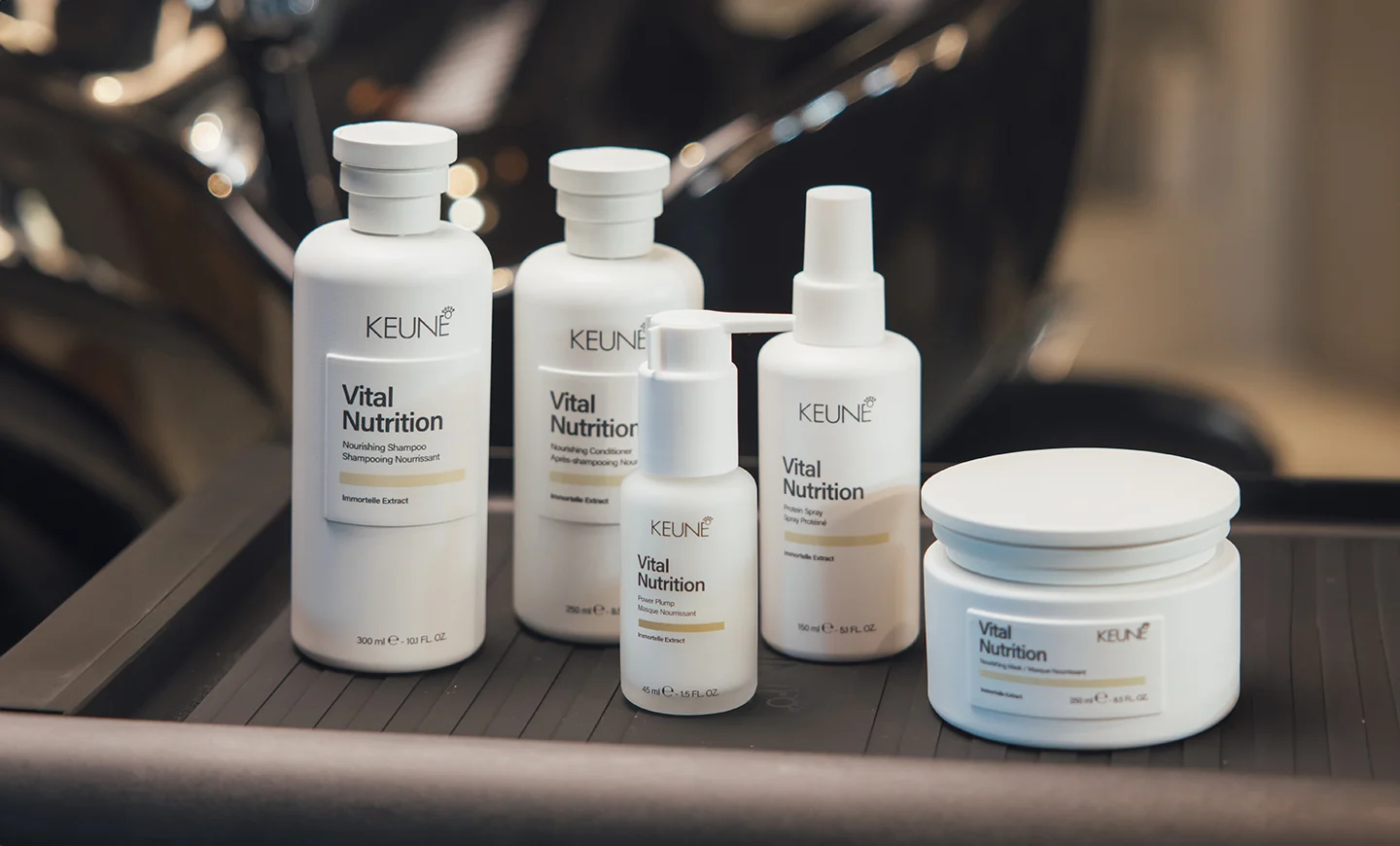
A lightweight spray or formula is often a good choice. This gives the hair extra care and helps with detangling without making it feel flat or heavy. The amount of product you use also makes a big difference. Within the KEUNE range, lighter options include Vital Nutrition Protein Spray and Miracle Elixir Spray.
Curly hair often needs extra hydration
Curly hair is naturally more prone to dryness and may therefore need more hydration and care.
A leave-in conditioner can help keep curls soft, reduce frizz and support the natural shape of the curl. The texture of the product can also be important for curly hair.
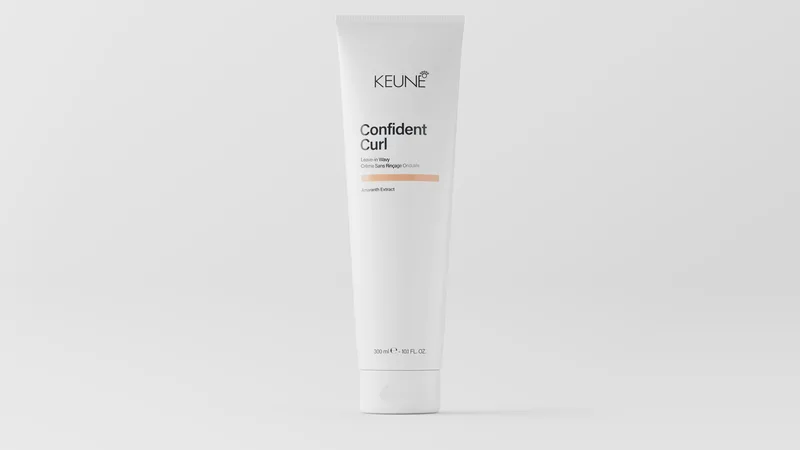
Lighter formulas often work well for wavy hair, while richer formulas may be more suitable for stronger curl patterns. Within the KEUNE range, you can find different Confident Curl leave-in products for different curl types.
The best leave-in conditioner depends on what your hair needs
The right leave-in conditioner depends not only on your hair type, but also on the condition of your hair and the result you want to achieve.
Fine hair may be better suited to a lightweight formula, while dry, damaged or curly hair may benefit from richer care. Coloured or blonde hair can benefit from a formula that focuses more on protection and maintaining the condition of the hair, such as Blonde Savior Leave-in Treatment.
By focusing on what your hair actually needs, a leave-in conditioner becomes more than just an extra step. It becomes a targeted addition to your haircare routine.
About this collaborator
Global Education Director
At the helm of Keune's education program is Joanne. With the Education team, she trains and guides Keune hairstylists worldwide.
The international Education team knows all the ins and outs of cutting and coloring techniques, hair styling, and the latest hair trends.