Conditioner vs. hair mask vs. leave-in: what is the difference?
Healthy Hair Tips
Conditioner vs. hair mask vs. leave-in: what is the difference?



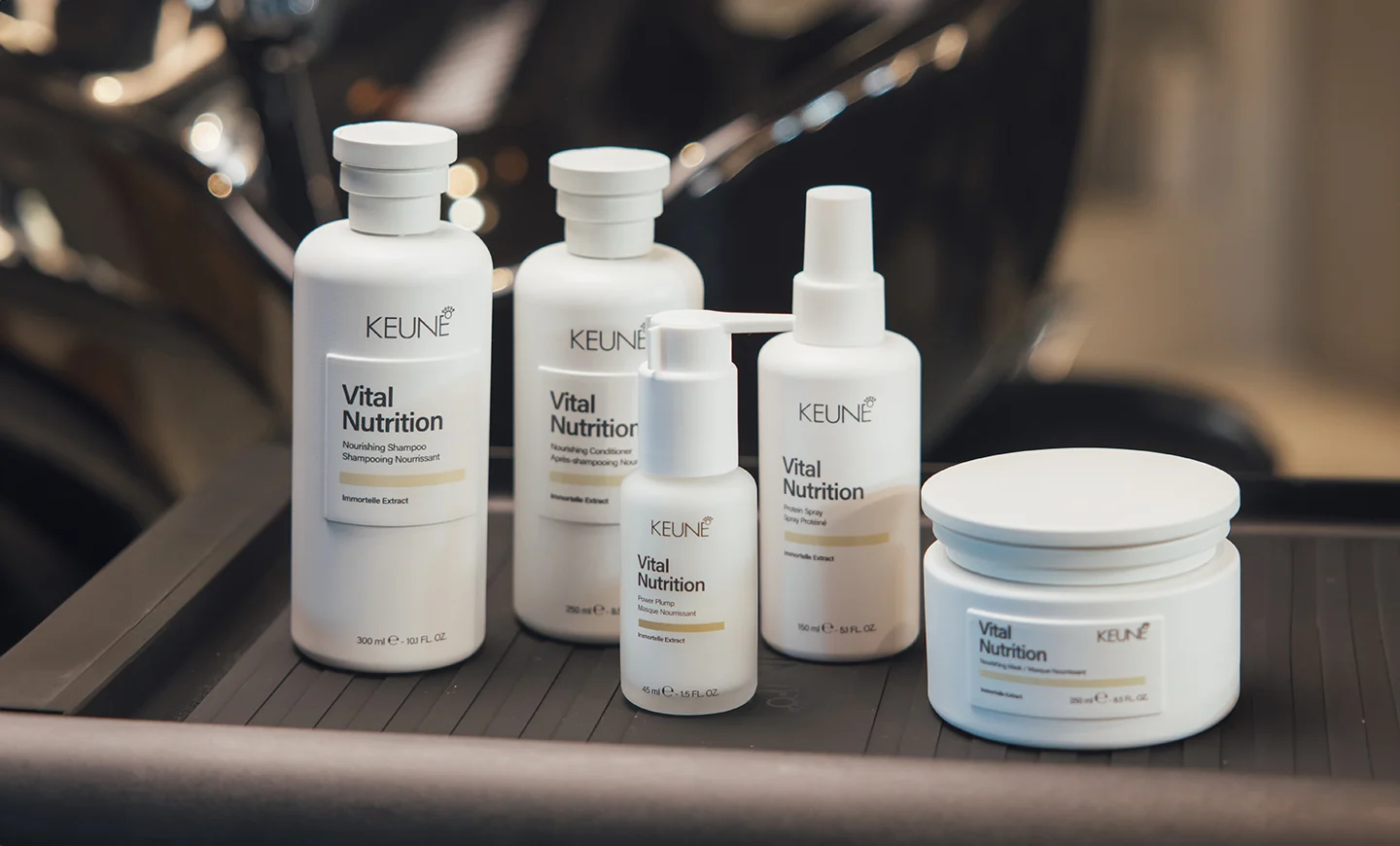
A conditioner, hair mask, and leave-in conditioner all have one goal: to care for your hair. However, they do not work the same way, and you use them at different times in your routine.
But what exactly does a conditioner do? When should you choose a hair mask? And do you still need a leave-in afterward? We explain the difference and help you determine which care your hair needs.
What does a conditioner do?
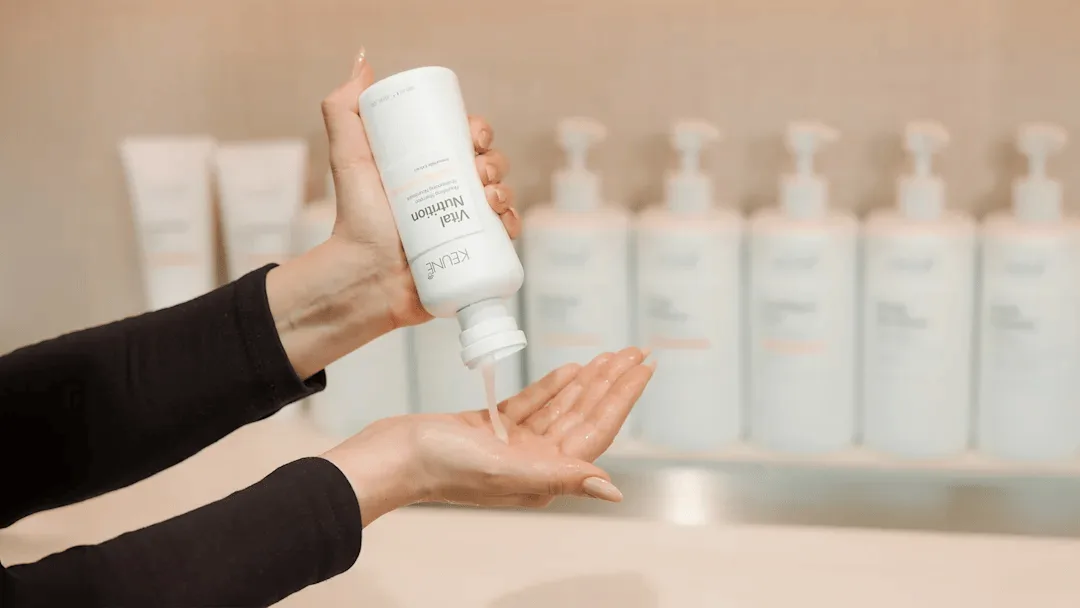
A conditioner is the foundation of a good hair care routine. While shampoo cleanses your hair and scalp, conditioner nourishes the hair after washing.
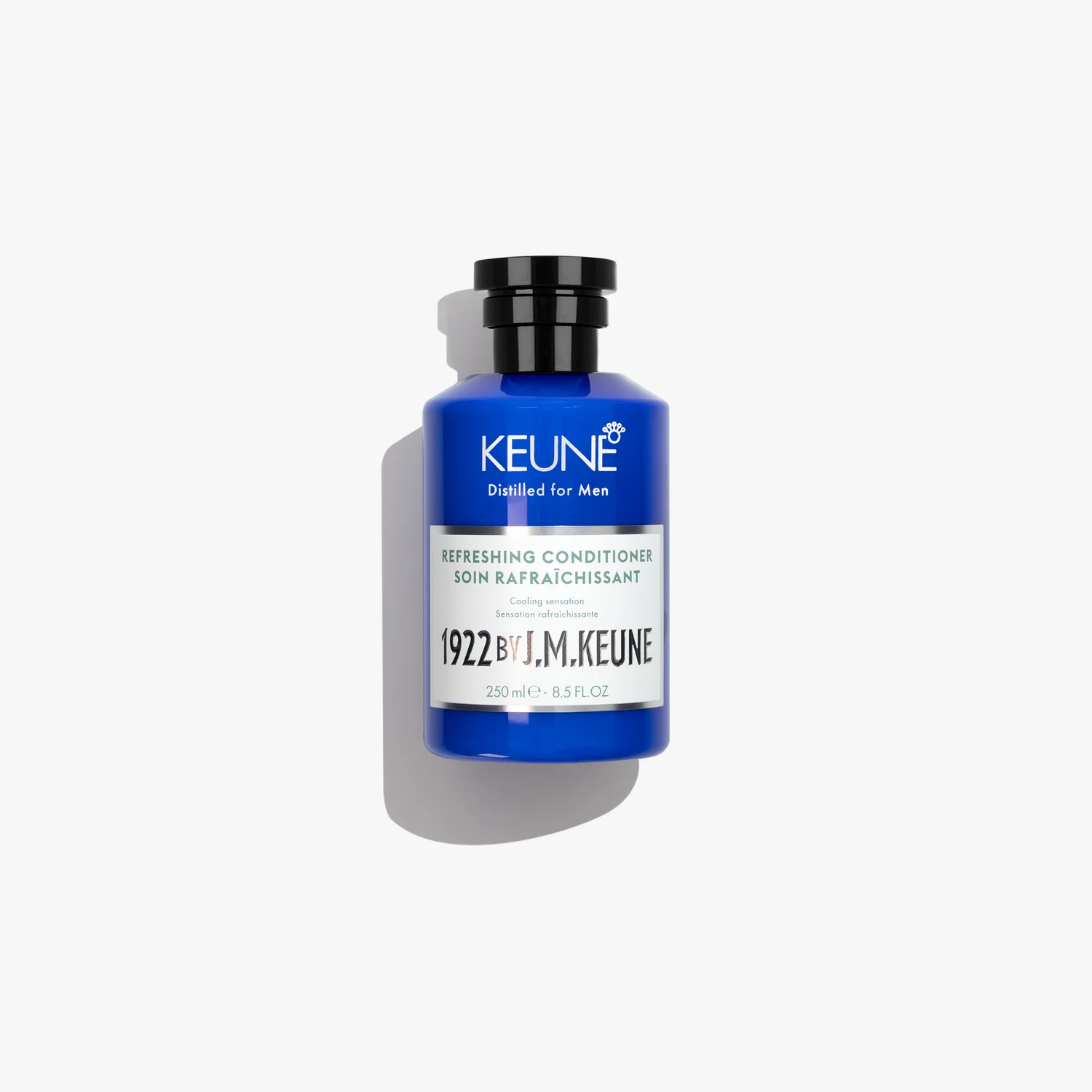
Conditioner helps to close the hair cuticles and makes the hair softer, smoother, and easier to comb. It also helps to retain moisture in the hair, making it feel more supple and giving it more shine. Apply conditioner primarily to the lengths and ends of your hair. That is where it needs the most care. Let the product work for a few minutes and then rinse it out thoroughly.
For most hair types, you can use conditioner with every wash. Do you have fine hair? Then choose a light formula that does not weigh it down. Dry, damaged, or curly hair often benefits from a richer conditioner.
What does a hair mask do?
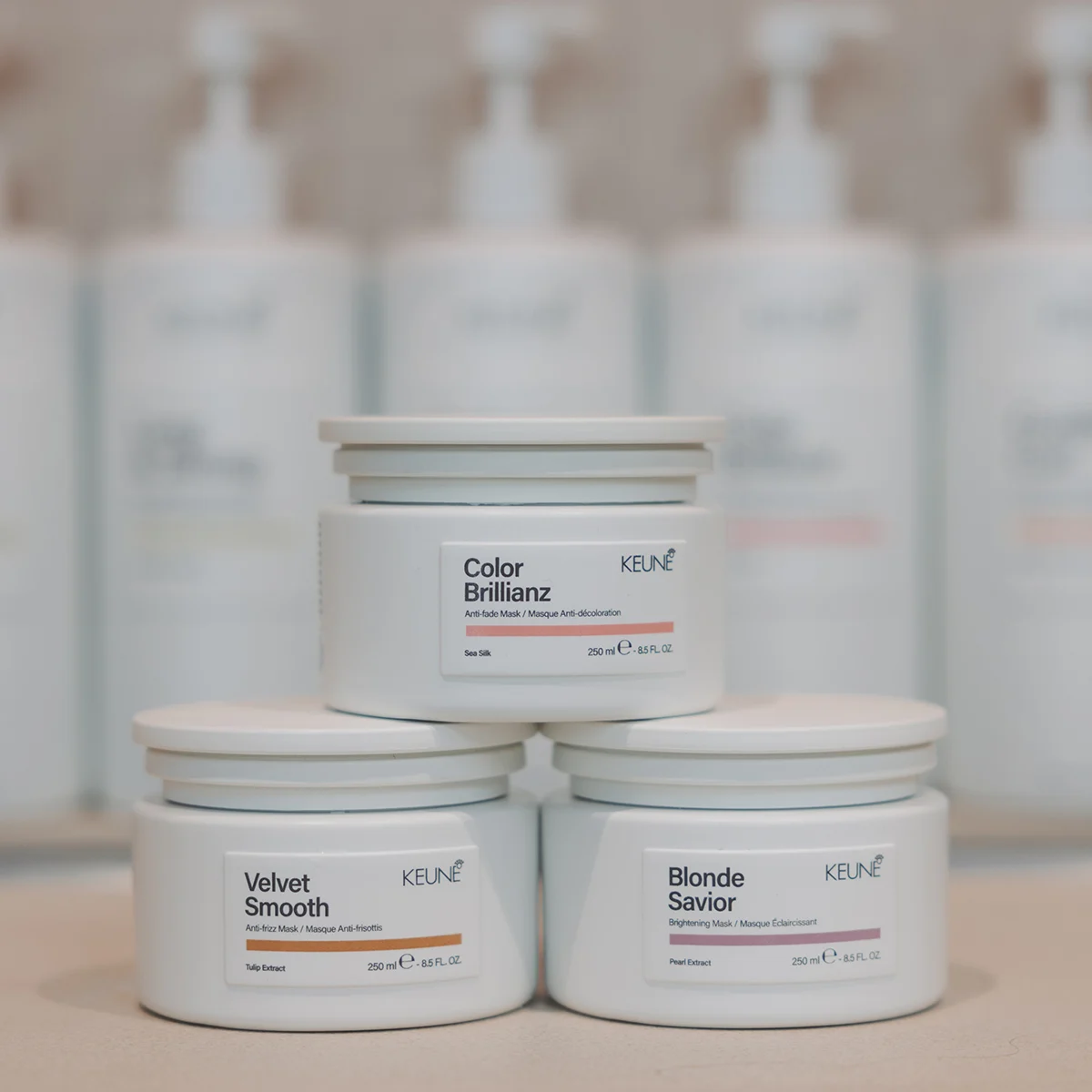
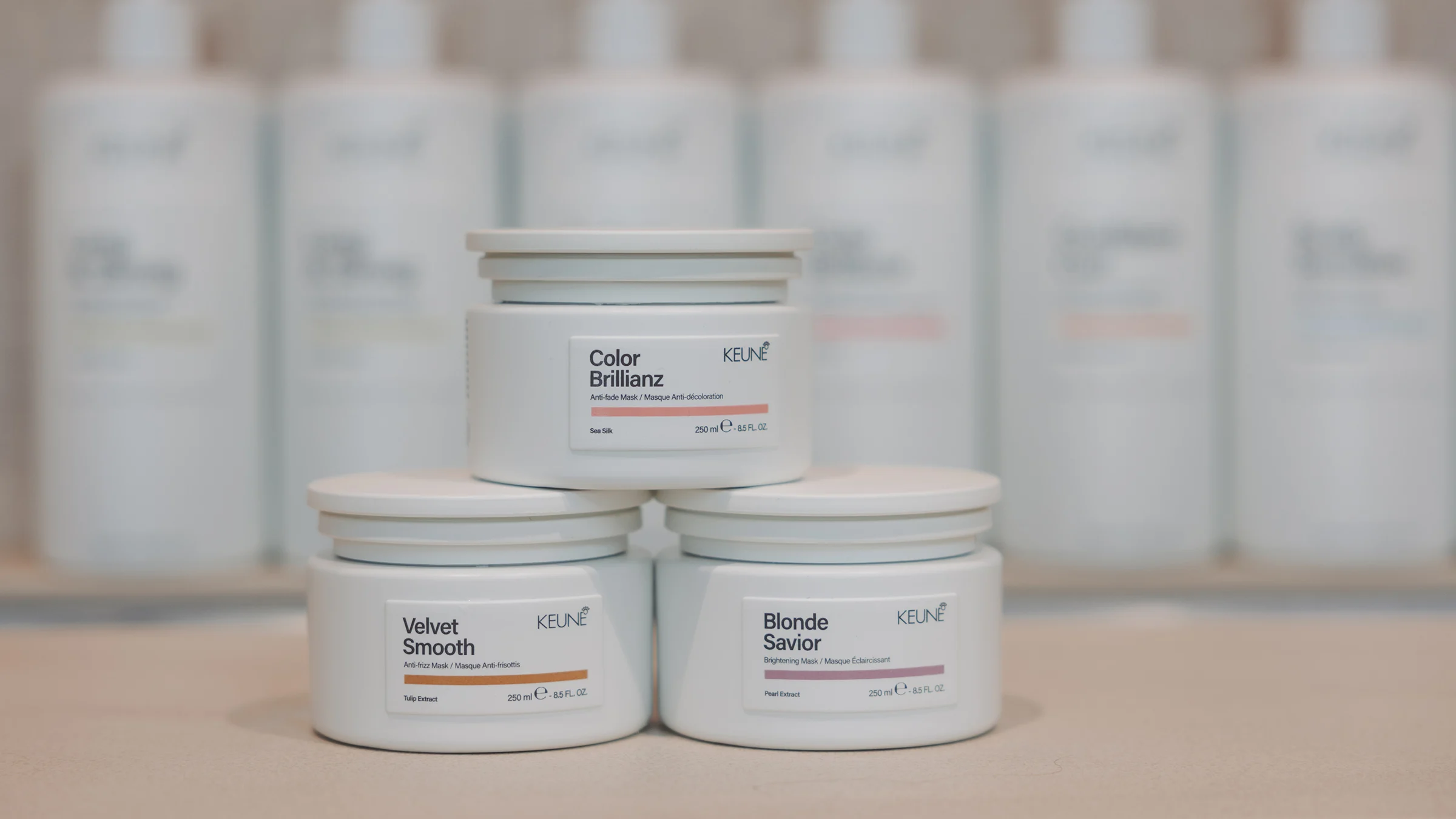
A hair mask provides your hair with more intensive care than a regular conditioner. Masks are often richer in texture and developed to care for the hair fiber more intensively. They help make hair feel softer, stronger, and smoother, and are especially suitable when your hair could use some extra attention. Think, for example, of dry hair, damaged hair, bleached hair, or hair that frizzes or breaks easily. Curls also often benefit from an intensive conditioning mask. According to Ewa Grygorowicz, chief scientist at the KEUNE Lab, conditioners primarily work on the surface of the hair strand. Hair masks, on the other hand, are developed to support the repair of the hair fiber from within while simultaneously caring for the outer layer of the hair.
Which mask you choose depends on your hair type and needs. For instance, the Vital Nutrition Mask is suitable for dry and damaged hair, while the Confident Curl Mask is specially developed for curls.
How often do you use a hair mask?
How often you need a hair mask varies by hair type. Dry or damaged hair can often benefit from an intensive mask weekly. If you have normal and healthy hair, once every two weeks may be sufficient.
With fine hair, it is wise to be a little more careful. Too much rich conditioning can make the hair heavy or lifeless. Therefore, always check how your hair feels and adjust your routine accordingly.
What is a leave-in conditioner?
You use a leave-in conditioner after washing your hair; you do not need to rinse it out. You usually apply the product to towel-dried hair before blow-drying, styling, or letting your hair air dry. A leave-in provides extra hydration, makes hair easier to comb through, and helps reduce frizz. Depending on the product, a leave-in can also offer extra protection against heat, UV radiation, and other external influences. Dry, damaged, long, or curly hair, in particular, benefits from this extra step. Do you have fine hair? Then choose a light spray, such as the Vital Nutrition Protein Spray or Miracle Elixir Spray.
What is the difference between a conditioner and a hair mask?
Both conditioner and hair masks care for the hair, but the difference lies mainly in the intensity. You use a conditioner as regular care after washing. It makes the hair soft, smooth, and easy to comb through. A hair mask is intended as a more intensive treatment. You use it when your hair could use extra nourishment or repair. So, view conditioner as the foundation of your routine and a hair mask as an extra care moment.
Can you use conditioner and a hair mask at the same time?
Yes, you can use conditioner and a hair mask at the same time.
However, that does not mean it is necessary with every wash. Do you have healthy or fine hair? Then conditioner is usually sufficient for your daily or weekly routine. You can add a mask whenever you notice that your hair needs extra care.
Do you have very dry, damaged, or curly hair? Then the combination of a mask and conditioner can actually be beneficial. Does your hair feel heavy or limp quickly after washing? Then you might be using too much care. Using less product or a mask less often can already make a difference.
What comes first: conditioner or hair mask?
Do you use shampoo, a hair mask, and conditioner during the same wash? Then the correct order is shampoo first, followed by the hair mask, and finally conditioner.
Shampoo cleanses your hair and removes dirt, sebum, and product residue. Afterward, use the mask for intensive care. Conditioner completes the routine and helps make the hair smooth and easy to comb.
Do you also want to use a leave-in conditioner? Then apply this only after washing. Apply your leave-in conditioner to towel-dried hair and do not rinse the product out.
Do you need conditioner after a hair mask?
You certainly can, but it is not always necessary for every hair type. A conditioner after a mask helps to make the hair extra smooth and easy to comb. Dry, damaged, or curly hair, in particular, may appreciate this combination. Do you have fine hair that gets heavy easily? Then you can also use the mask as an extra care step without adding a rich conditioner every time. The most important thing is to look at the condition of your hair. Your hair often tells you itself whether it needs more or less care.
Do you also need a leave-in after using conditioner?
Do you still suffer from dryness, tangles, or frizz after using conditioner? Then a leave-in can make a big difference. Because the product is not rinsed out, the hair remains extra cared for throughout the day. A leave-in is also useful when your hair is regularly exposed to styling, heat, or other external influences. However, always check whether the specific product you are using is also suitable as heat protection.
Which care suits your hair?
Do you have fine or thin hair? Then choose light care that does not weigh down the hair. A conditioner forms a good base, and you only use a hair mask when your hair needs it.
Dry or damaged hair can benefit from more intensive care. Combine a nourishing conditioner with a hair mask regularly and optionally add a leave-in for long-lasting hydration and protection.
Curly hair often needs extra moisture and nourishment. A conditioner, mask, and leave-in can therefore work well together within the same routine. Within the Confident Curl line, you will find various care products for waves, curls, and coils.
Conditioner, hair mask, or leave-in: what do you choose?
Conditioner, hair mask, and leave-in don't have to replace each other. In fact, they each have their own distinct role. For most hair types, a conditioner forms the foundation after washing. You use a hair mask when your hair needs more intensive care. A leave-in provides extra hydration, softness, and protection afterwards without rinsing out the product. Which combination works best depends on your hair type and condition. Therefore, don't just look at which products you can use, but especially at what your hair needs at that moment. Discover the various KEUNE conditioners, hair masks, and leave-in conditioners and create a care routine that suits your hair.
About this collaborator
Global Education Director
At the helm of Keune's education program is Joanne. With the Education team, she trains and guides Keune hairstylists worldwide.
The international Education team knows all the ins and outs of cutting and coloring techniques, hair styling, and the latest hair trends.