How do you use a conditioner correctly?
Healthy Hair Tips
This is how you use conditioner for the best results



Conditioner might seem like a simple step in your hair care routine: apply, leave on for a moment, and rinse out. However, the way you use conditioner makes a big difference to the result. Do you apply too much, use it in the wrong spot, or rinse it out too quickly? Then you won't get the most out of your care.
With the right technique, conditioner helps make your hair softer, smoother, and easier to comb through. We explain how to use conditioner correctly and how to tailor the routine to your hair type.
Why do you use conditioner after shampoo?
Shampoo and conditioner each have a different function. Shampoo cleanses your hair and scalp and removes sebum, dirt, and product residue, among other things. Conditioner then cares for the hair. A conditioner helps to smooth the hair cuticles and gives the hair softness and suppleness. As a result, wet hair is easier to comb through and feels smoother after drying.
That is why you normally use conditioner after shampoo. Conditioner cares for the hair after washing, helps to smooth the hair cuticles, and ensures that your hair becomes softer and easier to comb through. You can read more about how it works in our explanation of what conditioner does for your hair.
How do you use the conditioner step by step?
Start by washing your hair with a shampoo that suits your hair type and needs. Then rinse the shampoo out thoroughly. Next, gently squeeze the excess water out of your hair. Your hair does not need to be completely dry, but if it is still soaked, the conditioner will not distribute as well throughout the hair.
Next, take a small amount of conditioner and distribute it over the lengths and ends. Do not start directly at the scalp. The mid-lengths and ends, in particular, need care because these parts of the hair are older and are more frequently exposed to styling, heat, and other external influences.
Then, let the conditioner work for the recommended time. For a standard conditioner, about 1 to 3 minutes is usually sufficient. Afterwards, rinse the hair thoroughly.
How much conditioner should you use?
More conditioner does not automatically mean better-cared-for hair. The right amount depends on the length, thickness, and texture of your hair. Short or fine hair usually only needs a small amount. If you have long, thick, or curly hair, you often need a little more product to evenly care for the lengths and ends.
It is better to start with a small amount and add extra if necessary. When you use too much conditioner, fine hair in particular can feel heavy, limp, or greasy faster.
Above all, ensure that the product is evenly distributed. This way, one section of your hair does not receive all the care while other parts are skipped.
Where do you apply conditioner?
You apply conditioner primarily to the mid-lengths and ends of your hair. These are usually the parts that are driest and most fragile. With most conditioners, you do not need to apply the product to the scalp. For example, applying conditioner close to the roots can weigh down fine hair more quickly or make it look greasy. There are exceptions. Some conditioners are specifically developed for use on or around the scalp. Therefore, always check the instructions for use of the product you are using.
Should you use conditioner on wet or towel-dried hair?
Use conditioner after washing on wet hair from which you have gently squeezed out the excess water. When your hair is still fully saturated with water, the conditioner becomes diluted and it can be more difficult to distribute the product evenly along the lengths.
You do not need to dry your hair extensively with a towel. Gently squeezing it out is often sufficient. Especially with a richer conditioner for dry or damaged hair, this step can help distribute the care better throughout the hair.
How long should conditioner be left on?
A standard conditioner usually does not need to stay in your hair for long. Often, 1 to 3 minutes is sufficient. Leaving it on longer does not automatically result in a better outcome. The ideal processing time depends on the formula. Therefore, follow the instructions on the packaging. Do you need a more intensive treatment that can work on the hair for longer? Then a hair mask is usually a more logical choice.
Do you need to rinse conditioner out completely?
A regular conditioner is designed to be rinsed out of the hair after the processing time. Therefore, rinse thoroughly until no excess product remains in your hair. If too much conditioner is left behind, the hair can feel heavier and look greasy faster.
Do you prefer a nourishing product that stays in your hair? Then choose a leave-in conditioner. You apply a leave-in after washing and do not rinse it out.
How often should you use conditioner?
For many people, conditioner is suitable with every wash. However, how often you need it depends on your hair type, how often you wash your hair, and the condition of your hair.
Dry, damaged, or curly hair generally requires more care. Fine or healthy hair can become heavy more quickly if you use a lot of or very rich products.
Therefore, observe how your hair reacts. Does it feel soft, supple, and airy? Then the amount of care is probably a good fit for your hair.
Do you use conditioner before or after a hair mask?
Do you also use a hair mask during the same wash? Then the order changes slightly. Always start with shampoo. After that, use the hair mask for more intensive care and finish with conditioner. So the order is: shampoo, hair mask, and then conditioner.
Not every wash requires both a mask and a conditioner. For fine or healthy hair, that can sometimes be too much care. Therefore, you use a mask mainly when your hair needs an extra intensive treatment.
Common mistakes when using conditioner
One of the most common mistakes is using too much product. Especially with fine hair, this can cause the hair to become heavy and lose volume.
Also, applying conditioner directly to the scalp is unnecessary with most products. Focus mainly on the lengths and ends.
Additionally, conditioner is sometimes rinsed out immediately after application. Give the product some time to do its job and adhere to the recommended processing time. Another mistake is skipping conditioner entirely when hair gets greasy quickly. A greasy scalp does not automatically mean that the lengths and ends do not need care. In that case, use a light conditioner and keep it away from the roots.
Which conditioner suits your hair?
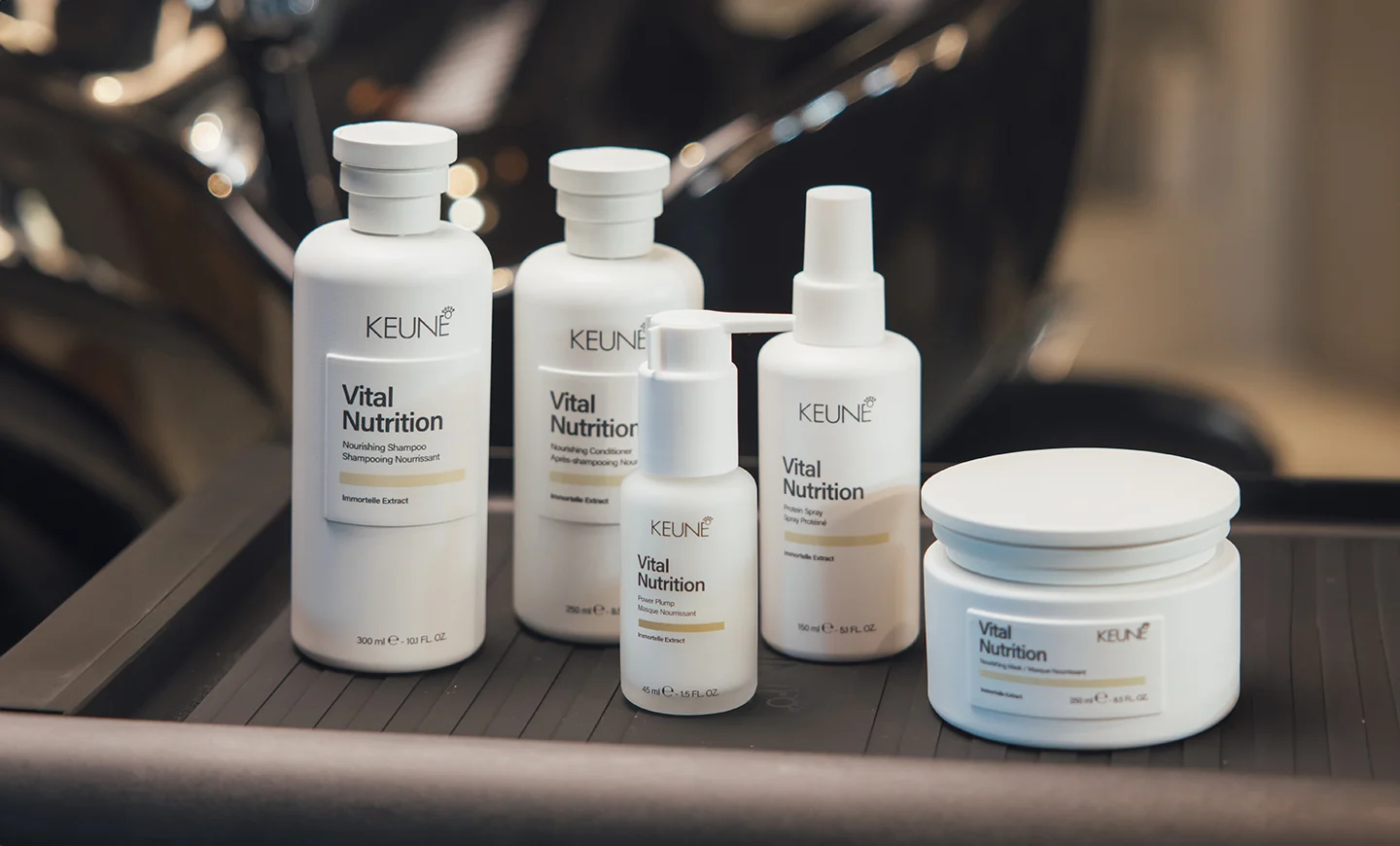
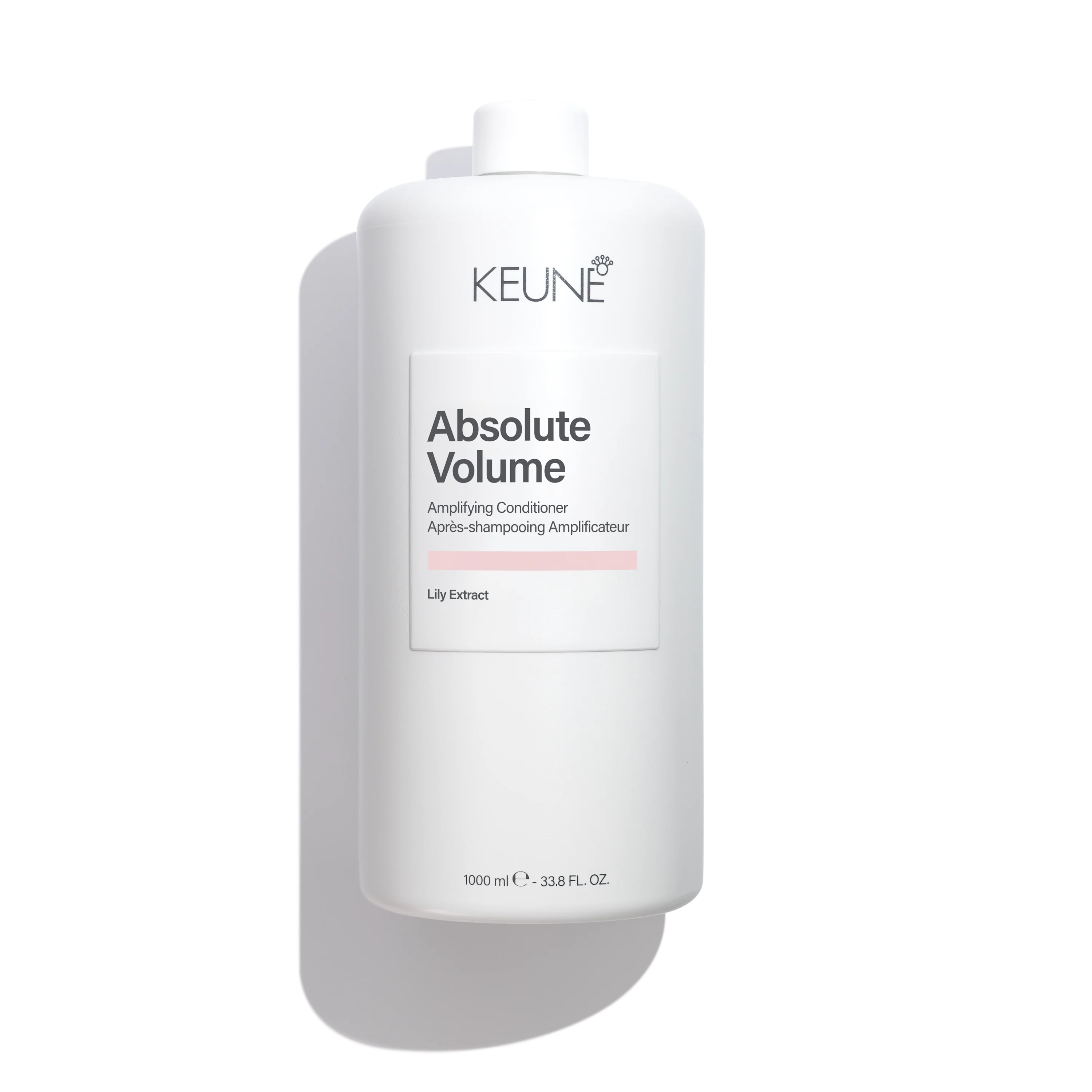
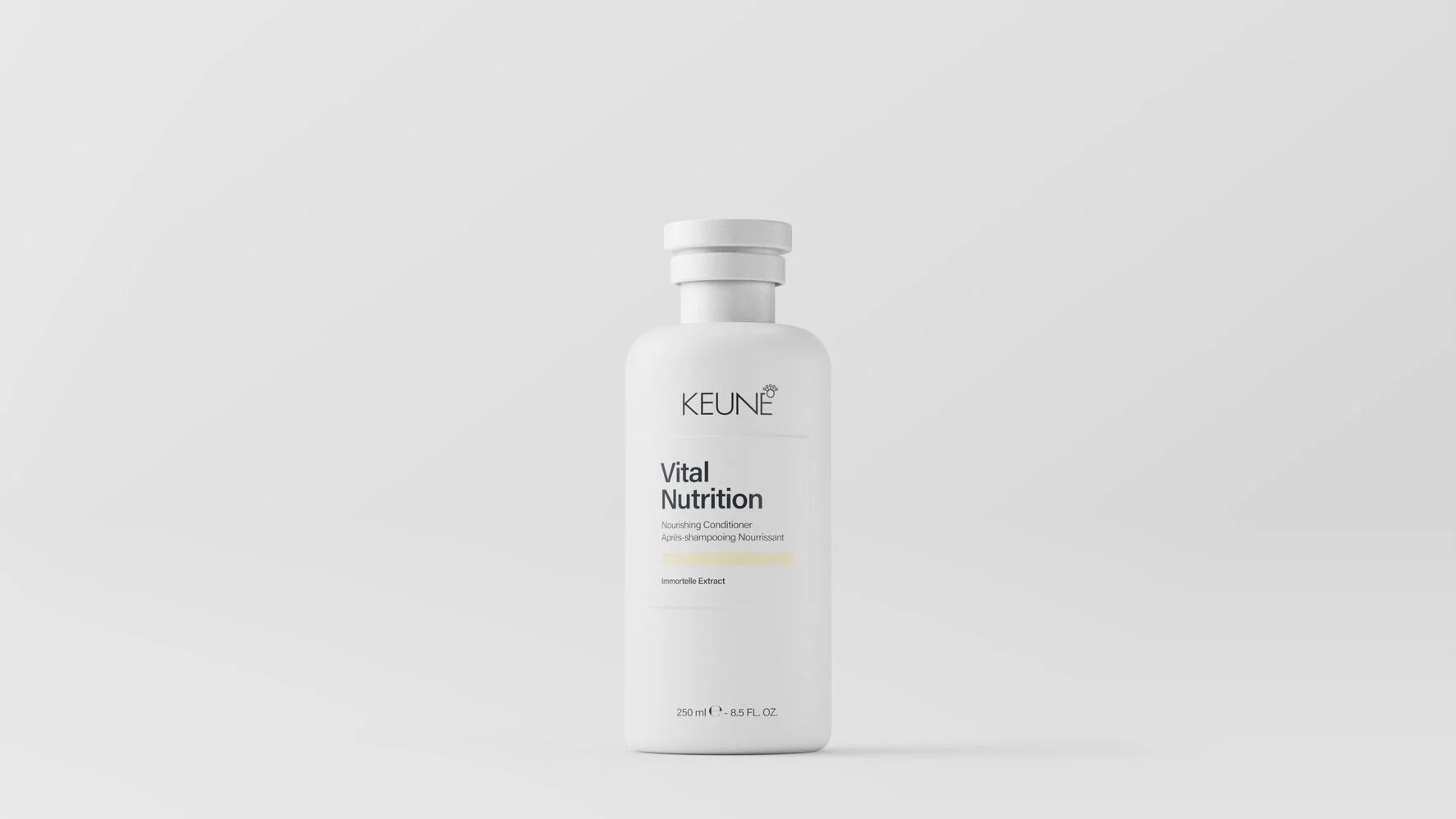
The right technique is important, but the conditioner itself must also suit your hair. Do you have fine or thin hair? Then choose a light formula that nourishes without weighing the hair down, such as the Absolute Volume Conditioner. Dry or damaged hair often requires richer care. The Vital Nutrition Conditioner is designed to care for dry and damaged hair and leave it feeling softer.
For curly hair, there is the Confident Curl Conditioner, while the Color Brillianz Conditioner is developed for colored hair. Do you suffer from frizz easily? Then the Velvet Smooth Conditioner might suit your hair needs.
Get more out of your conditioner
Proper conditioner use is all about the details. Use it after shampooing, first remove excess water, and focus on the lengths and ends. Give the product sufficient time to work its magic, then rinse thoroughly. Additionally, choose a conditioner that suits your hair type. Fine hair requires different care than dry, colored, or curly hair.
With the right conditioner and the right technique, you give your hair exactly the care it needs and keep it soft, supple, and easy to comb.
Discover all KEUNE conditioners and choose the care that suits your hair.
About this collaborator
Global Education Director
At the helm of Keune's education program is Joanne. With the Education team, she trains and guides Keune hairstylists worldwide.
The international Education team knows all the ins and outs of cutting and coloring techniques, hair styling, and the latest hair trends.